

TOPIC
47 cactus Coloring Pages and Free PDF Printables
Free printable cactus coloring pages. Print any page or download the whole set as a free PDF — no account, no email.
47 coloring pages

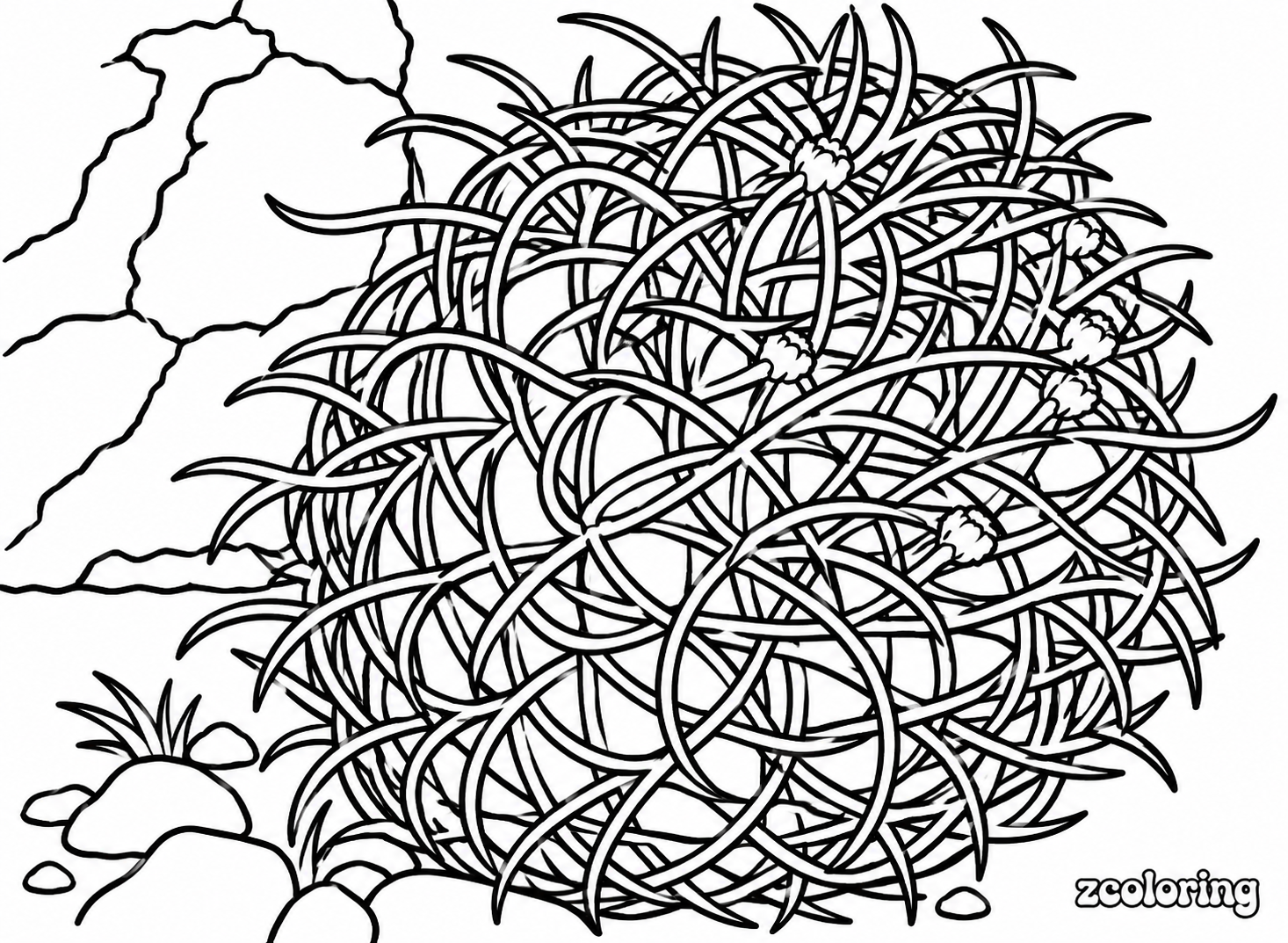
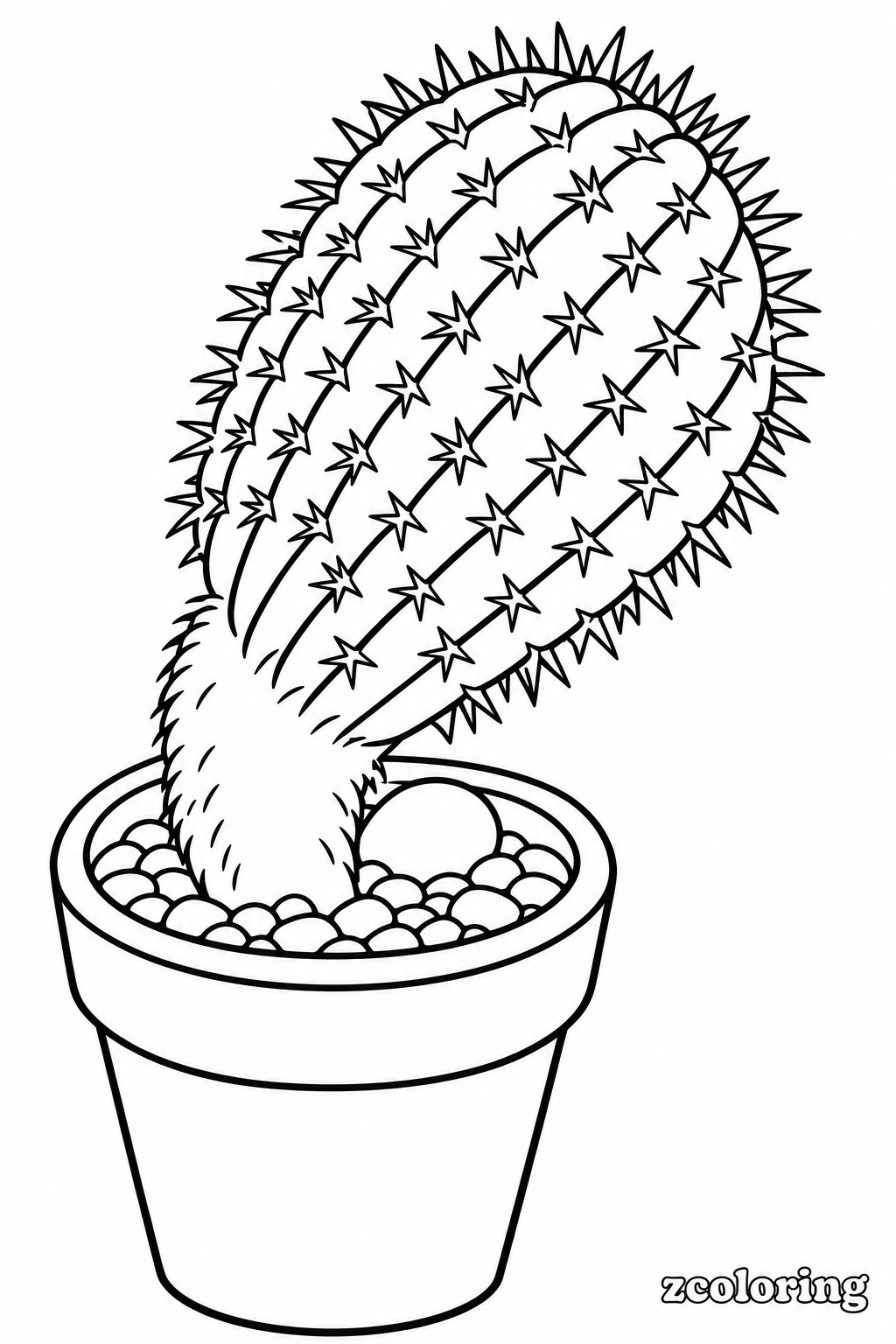
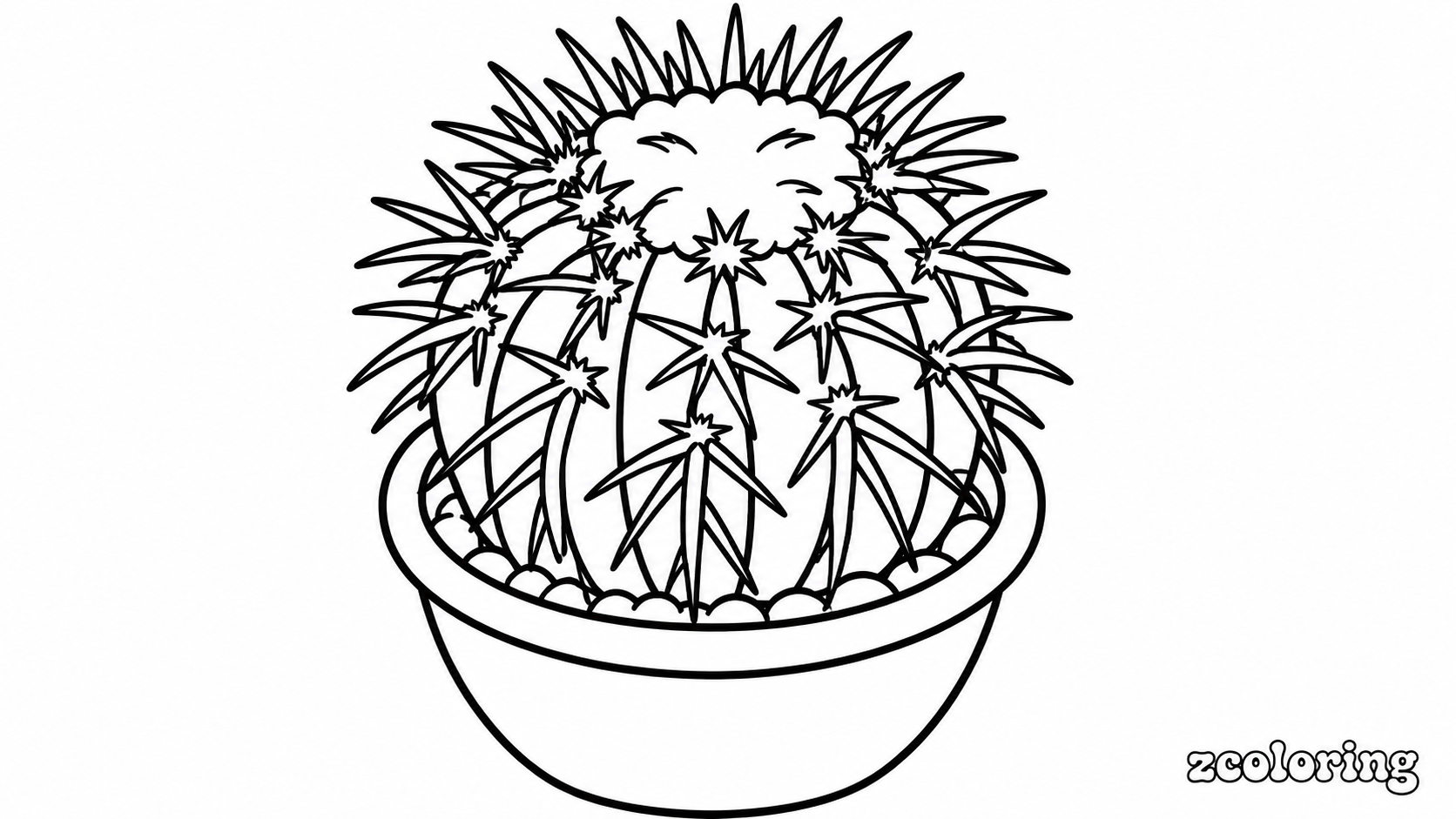
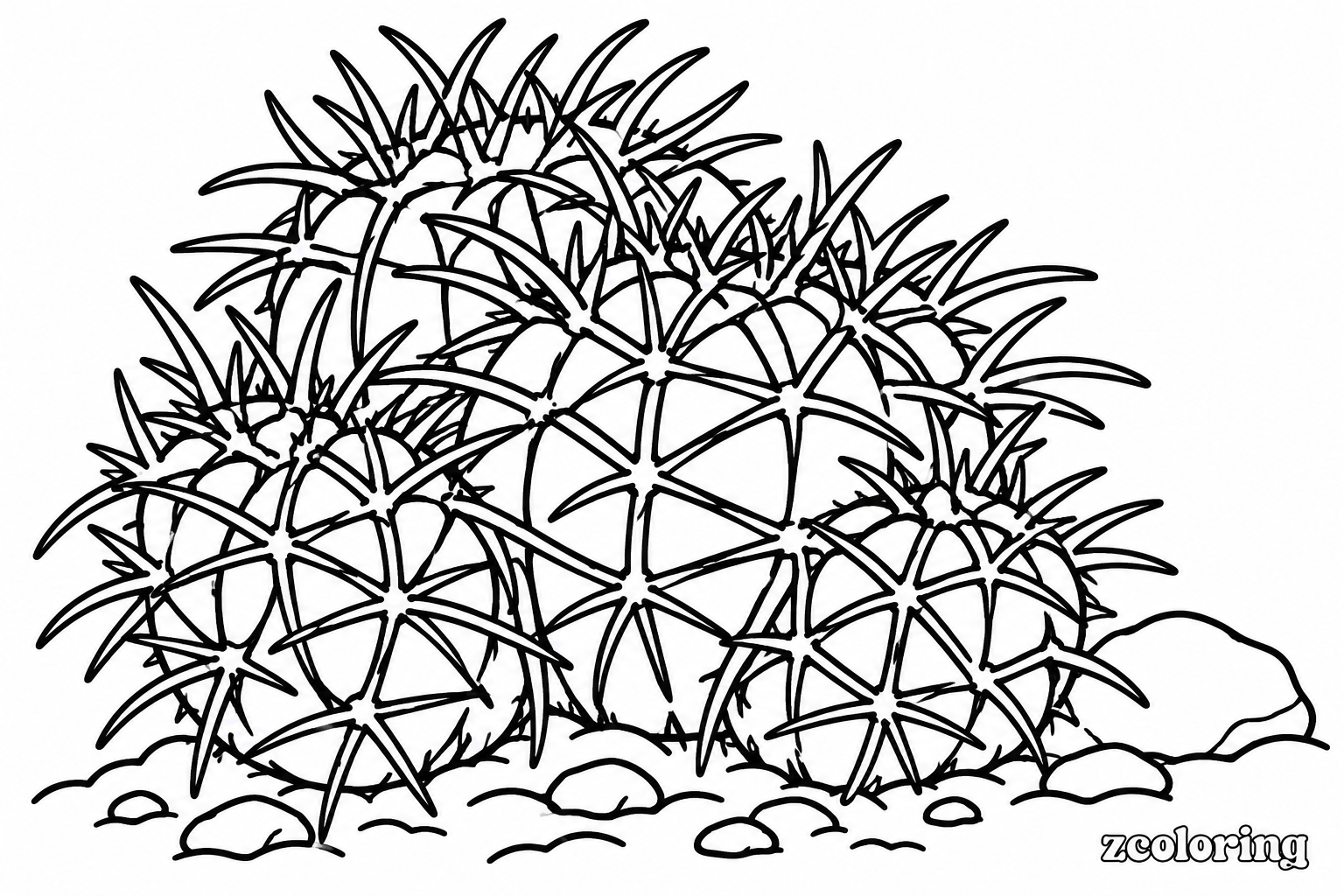
What is a cactus?
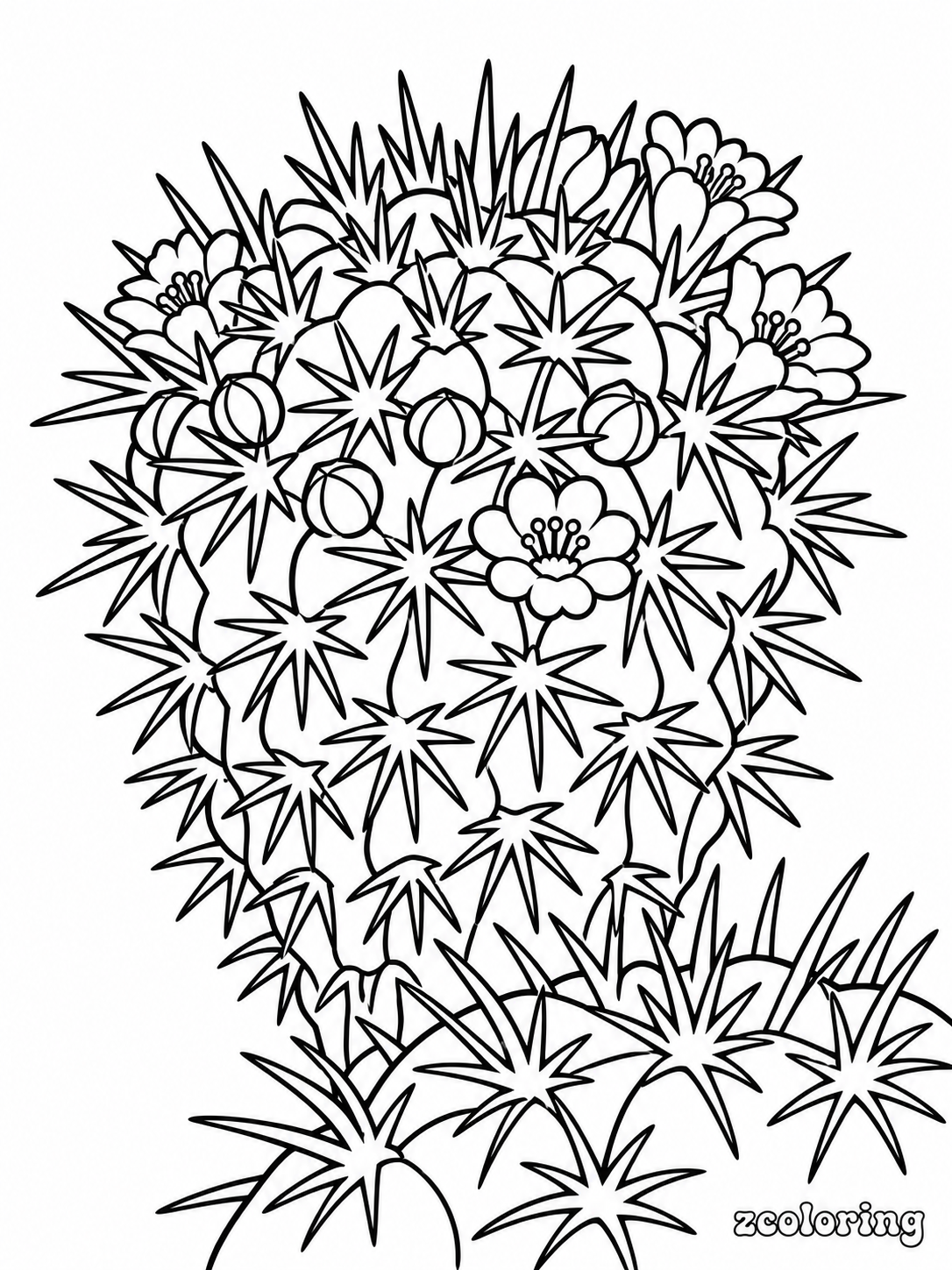
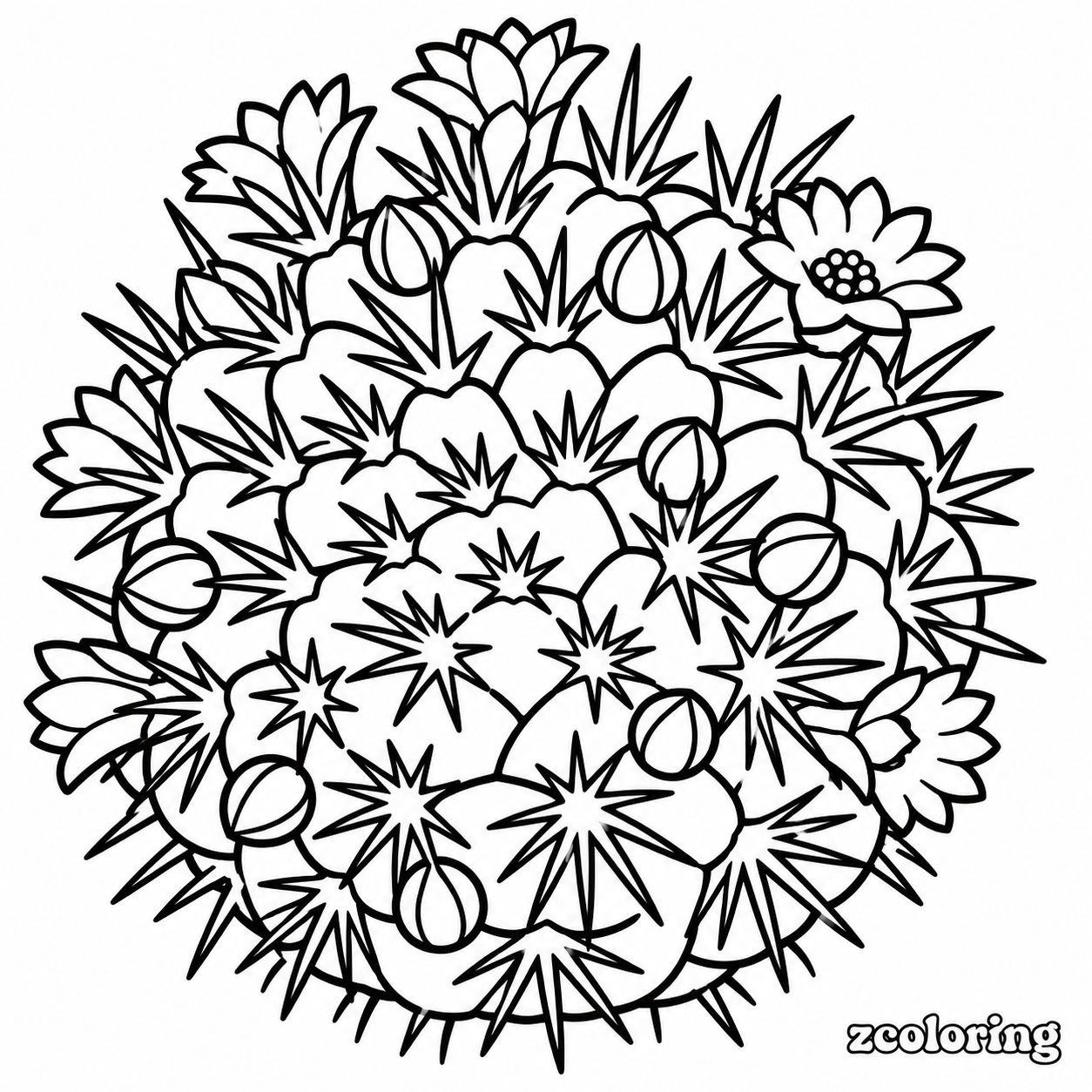
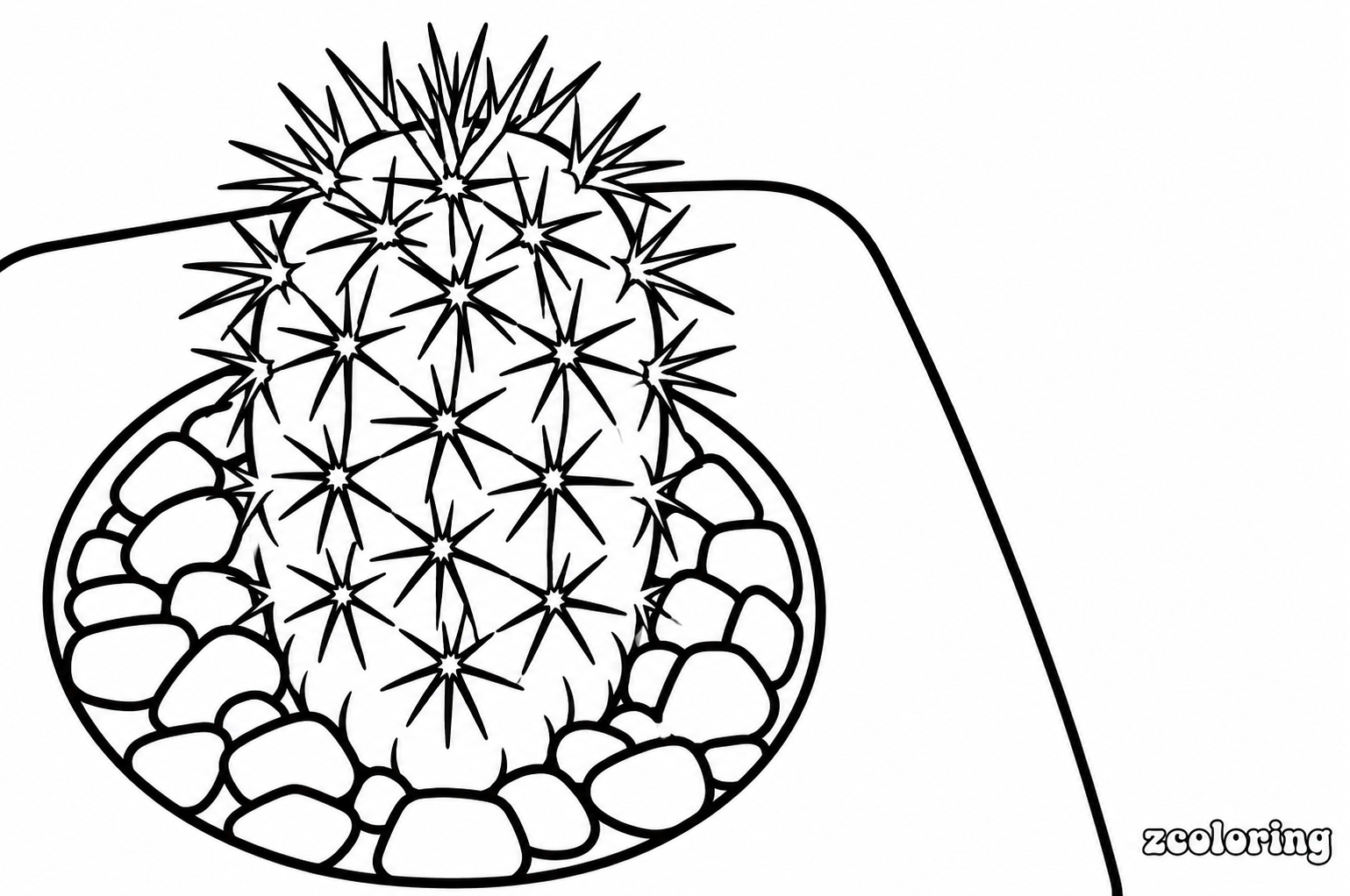
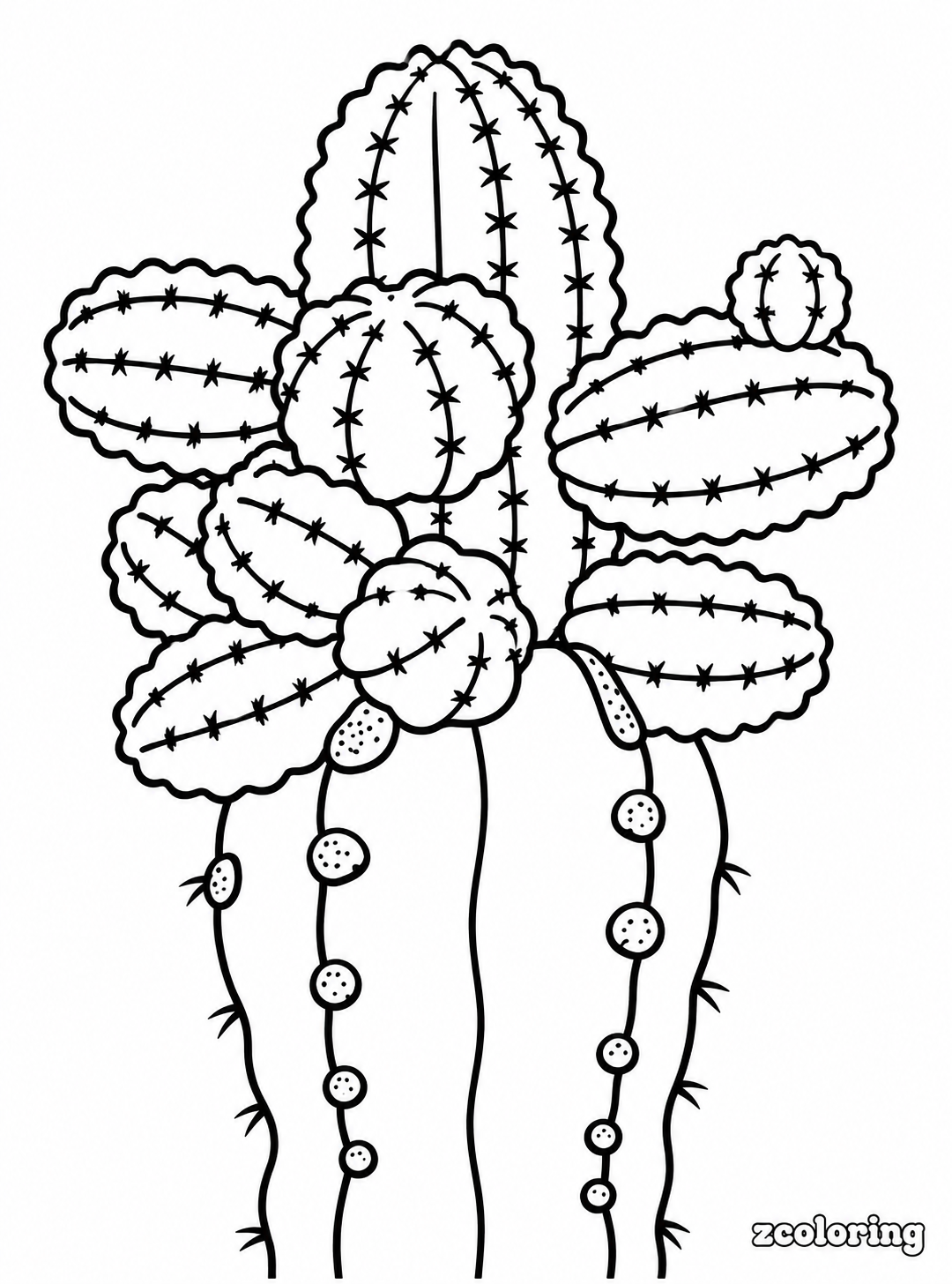
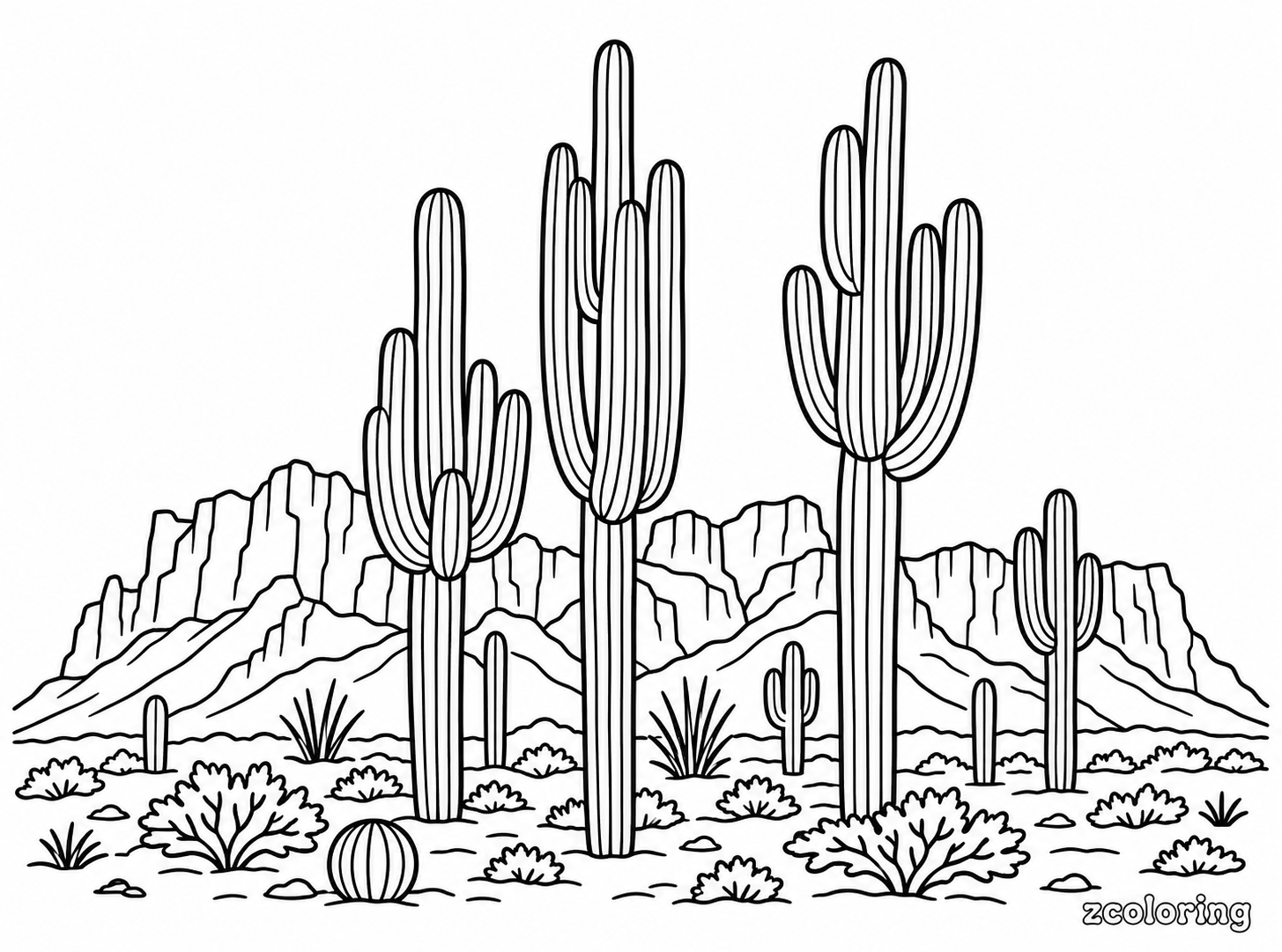
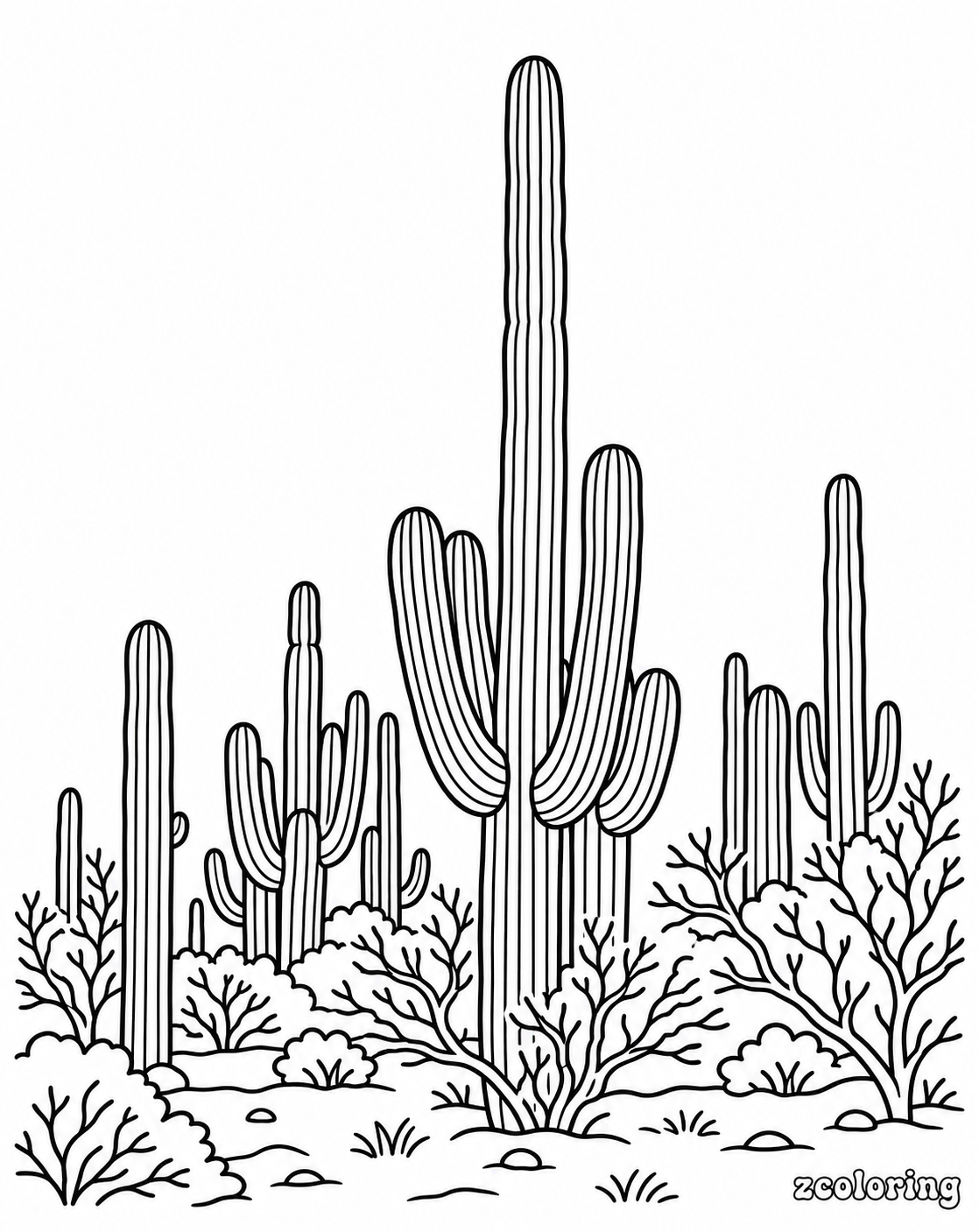
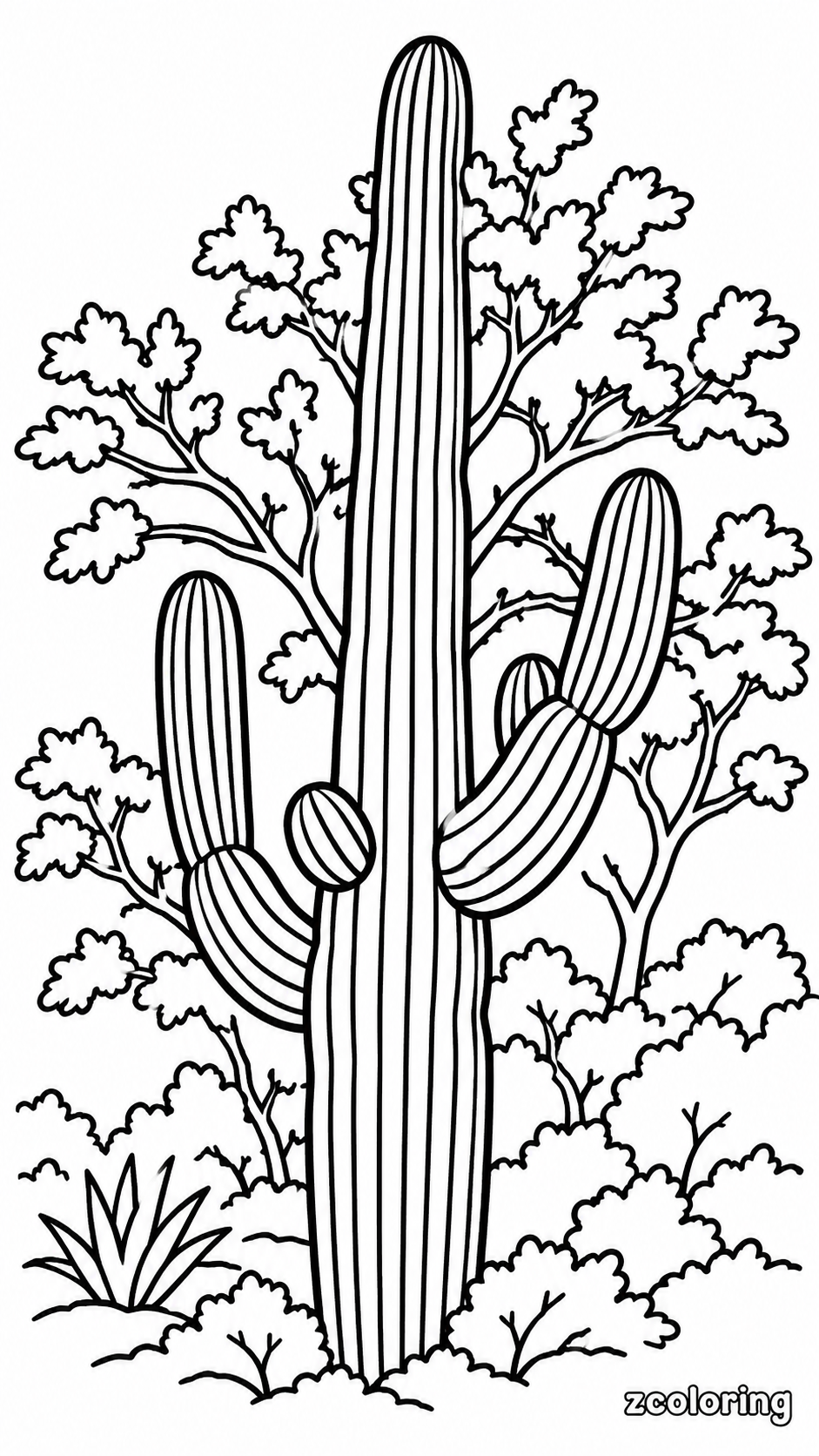
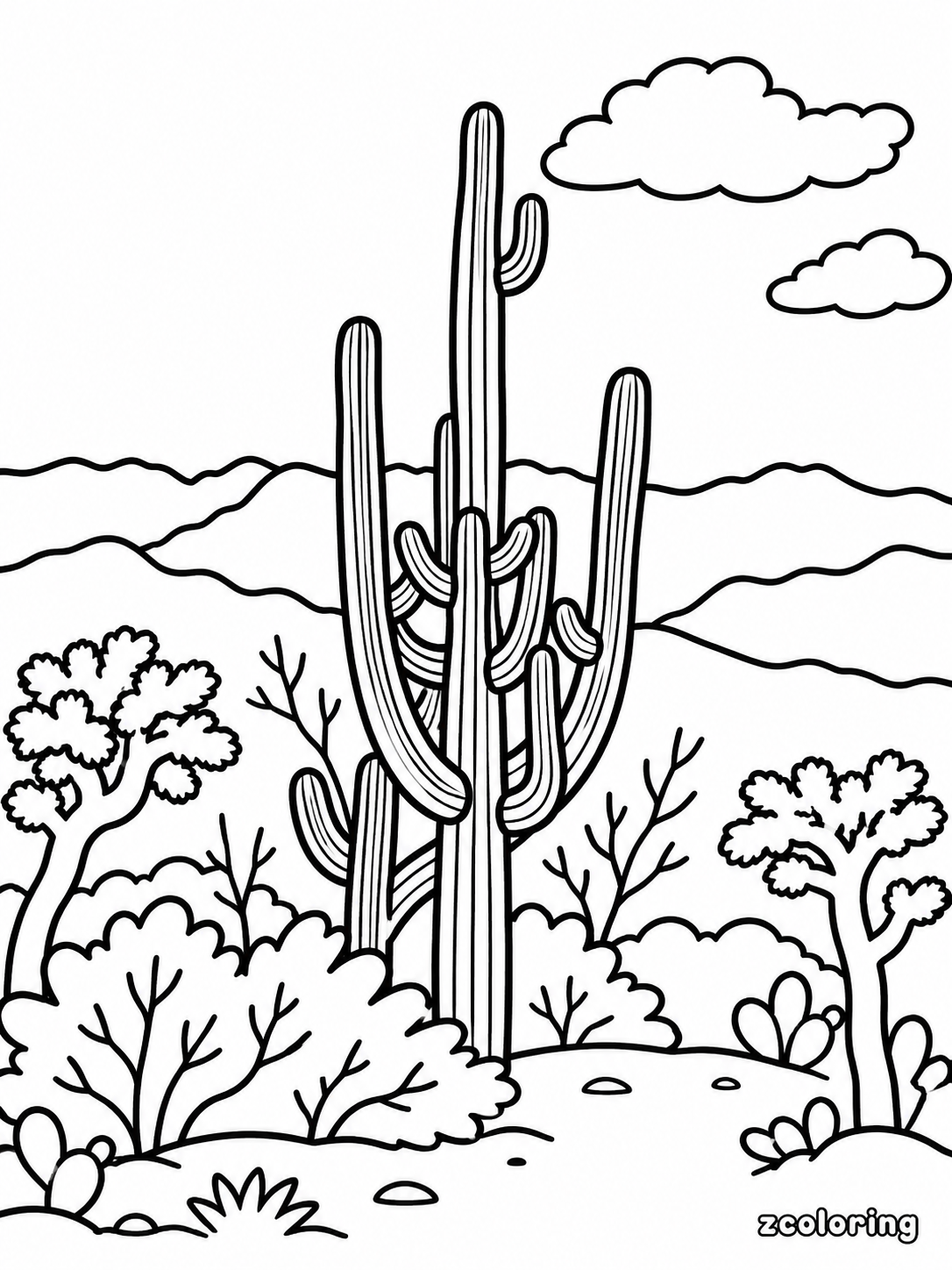
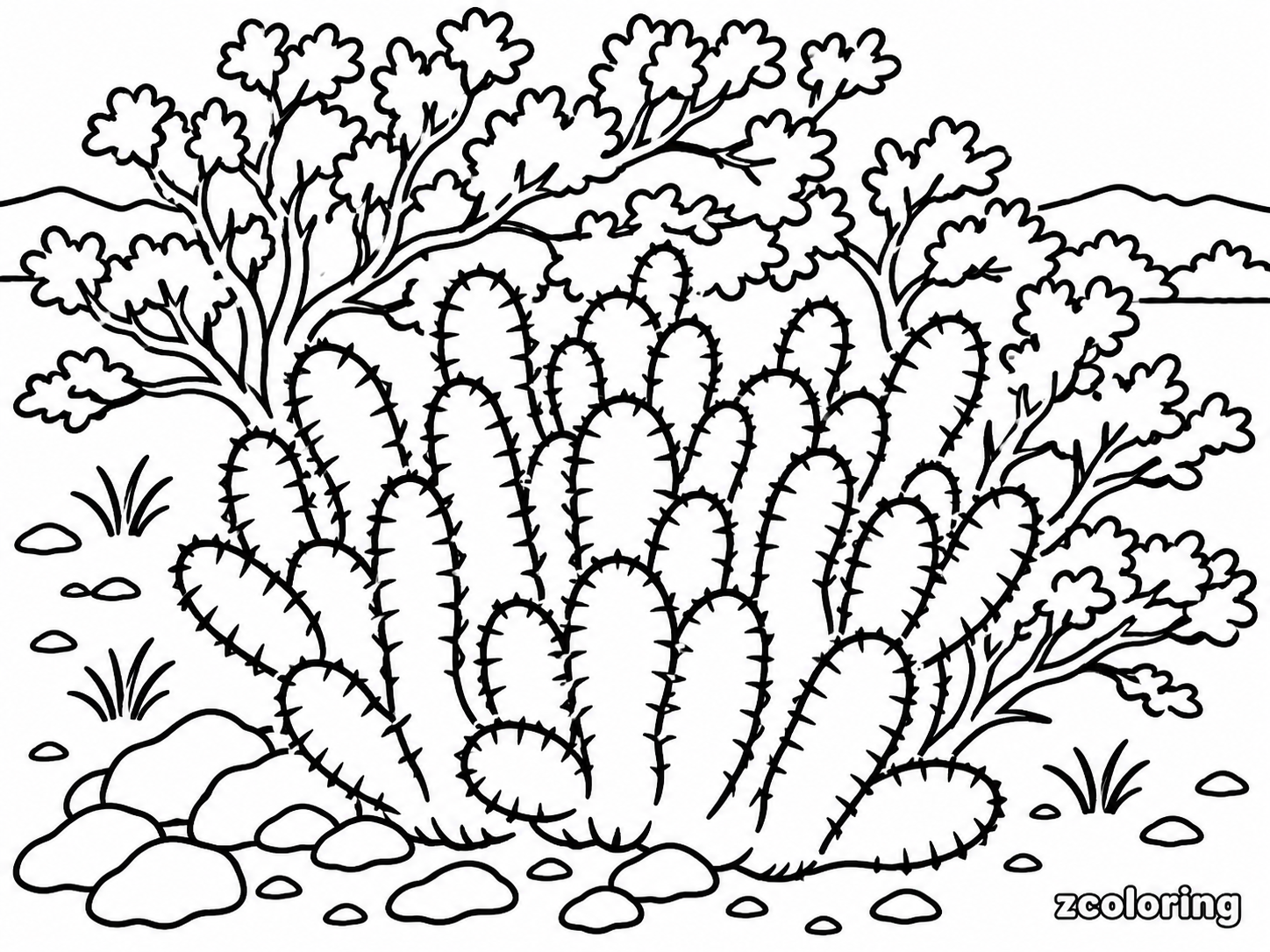
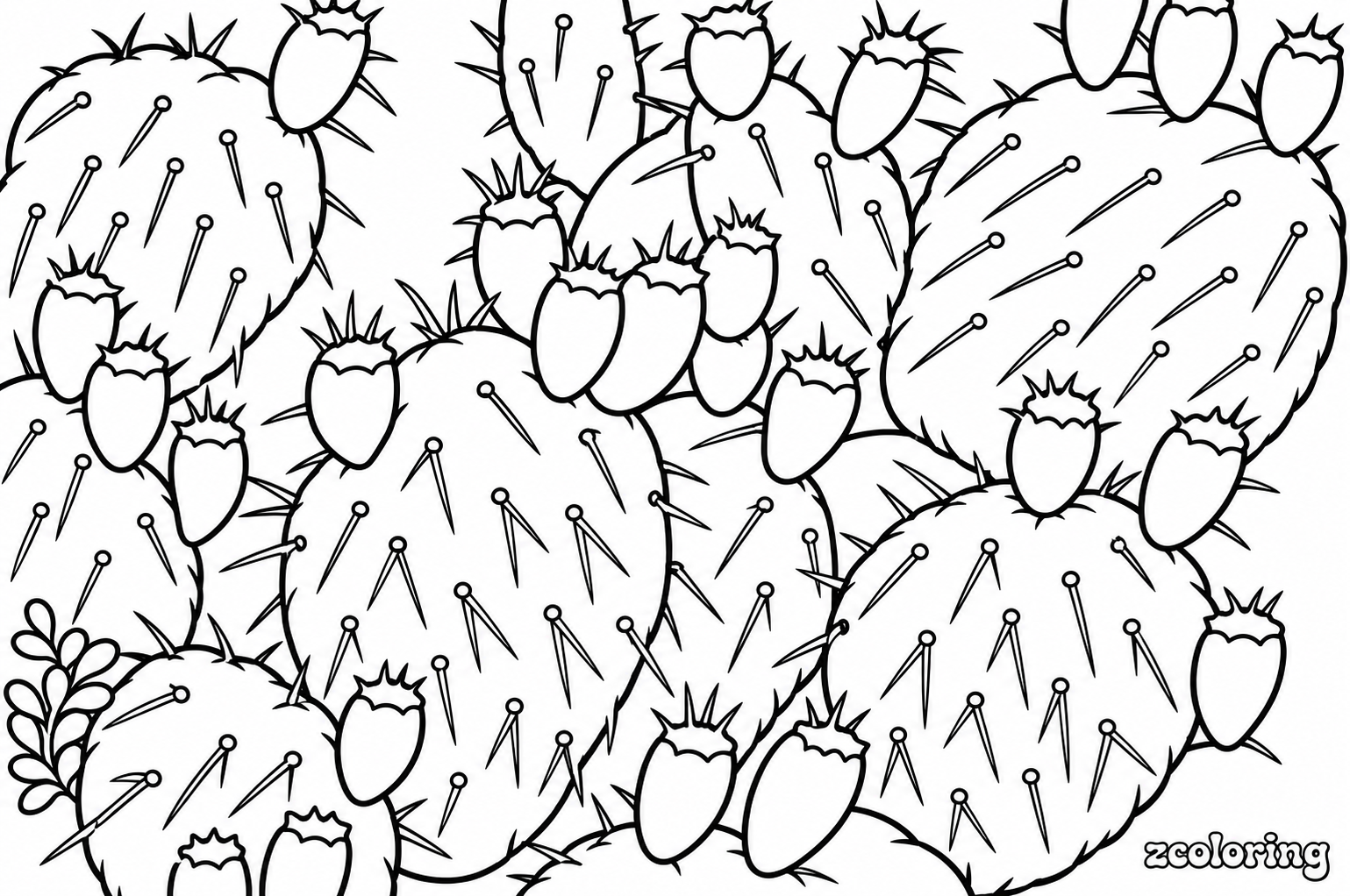
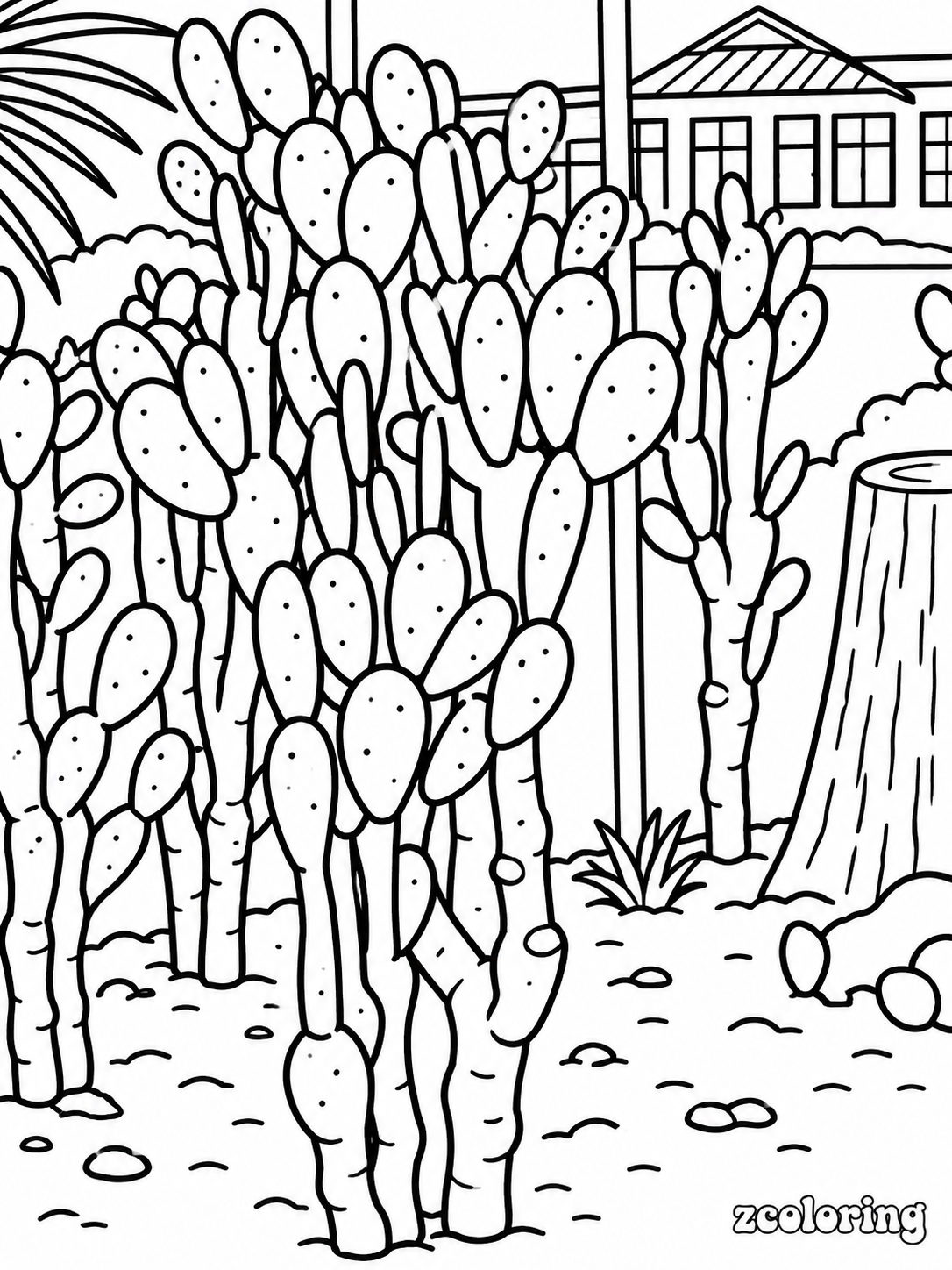
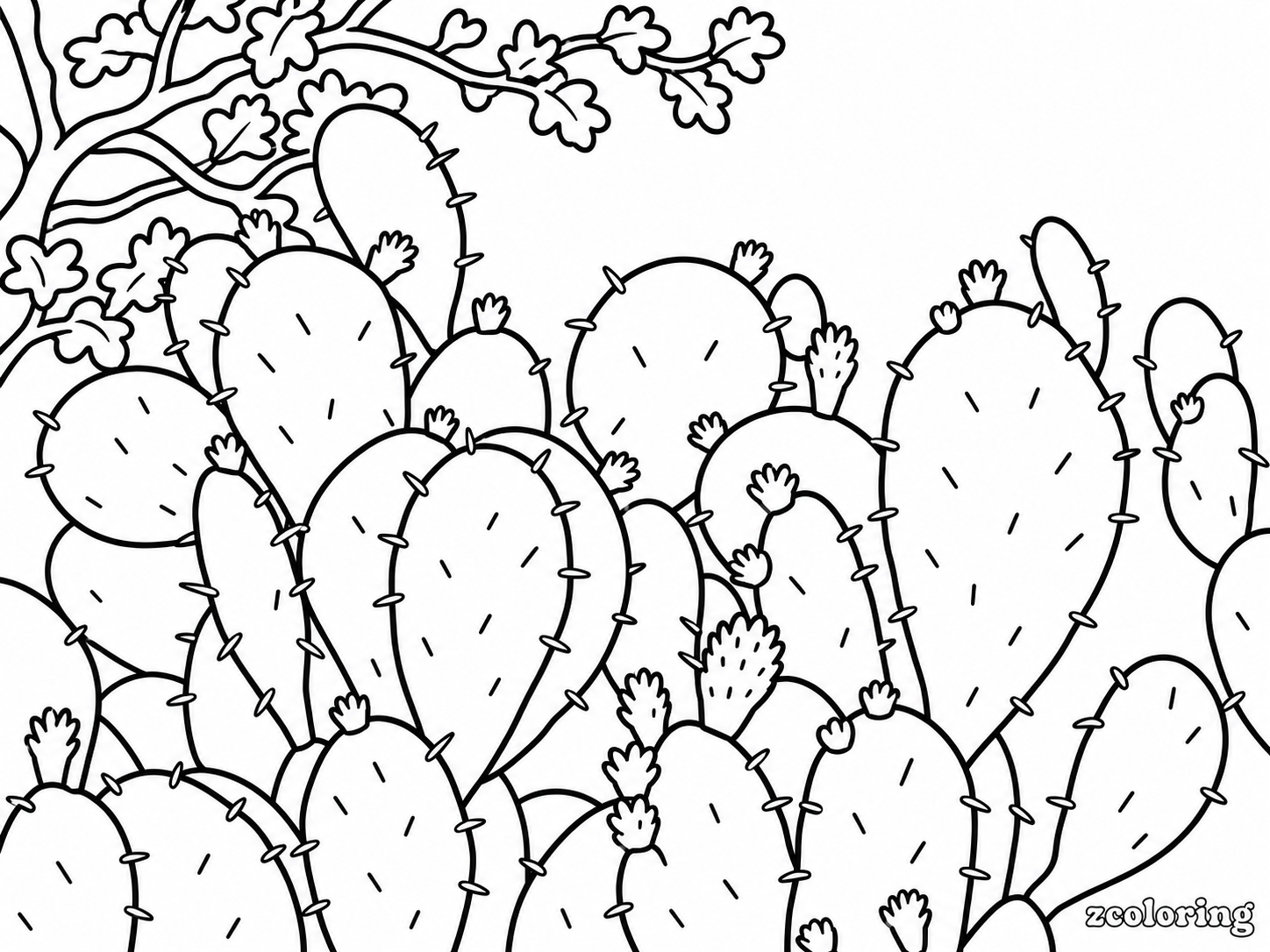
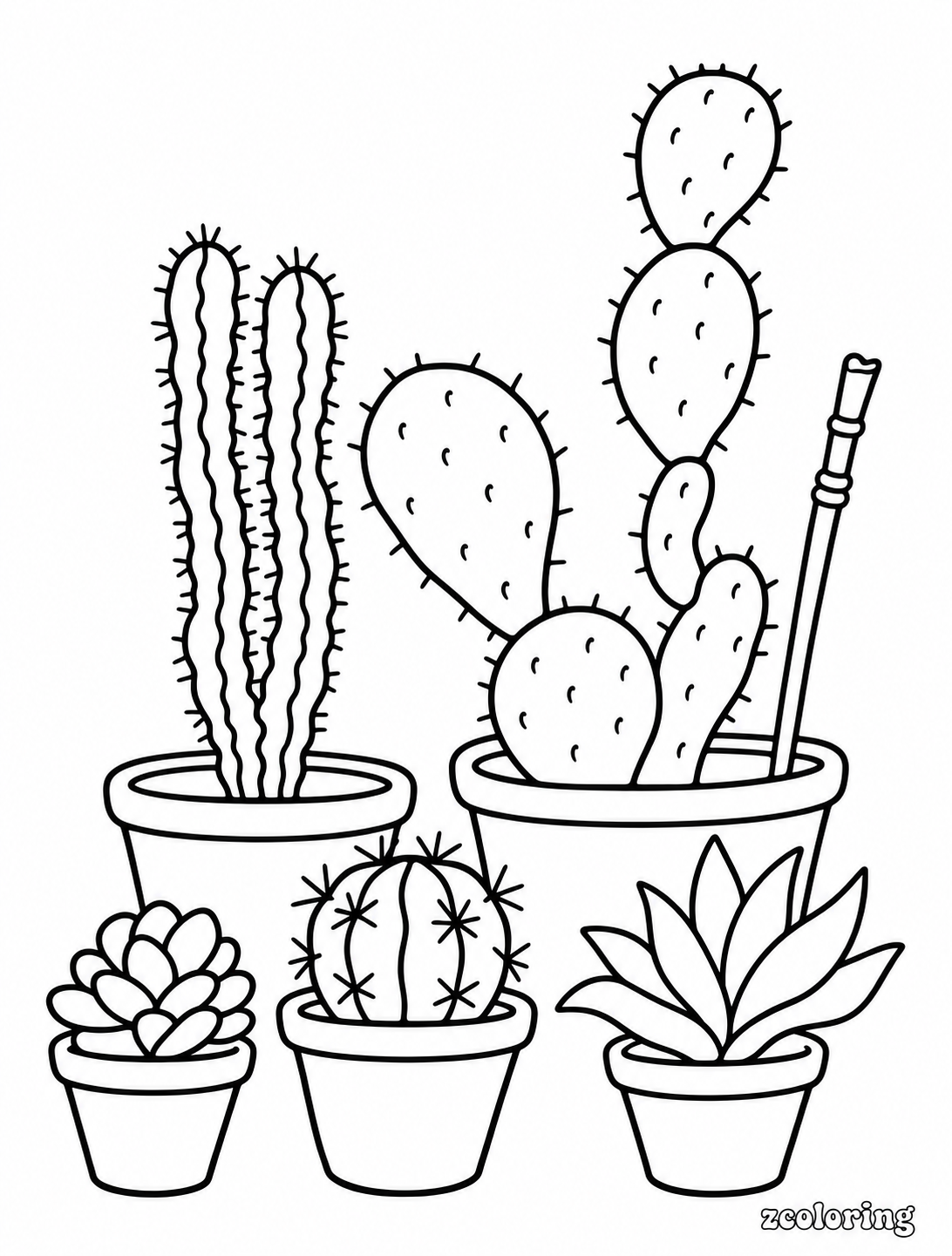
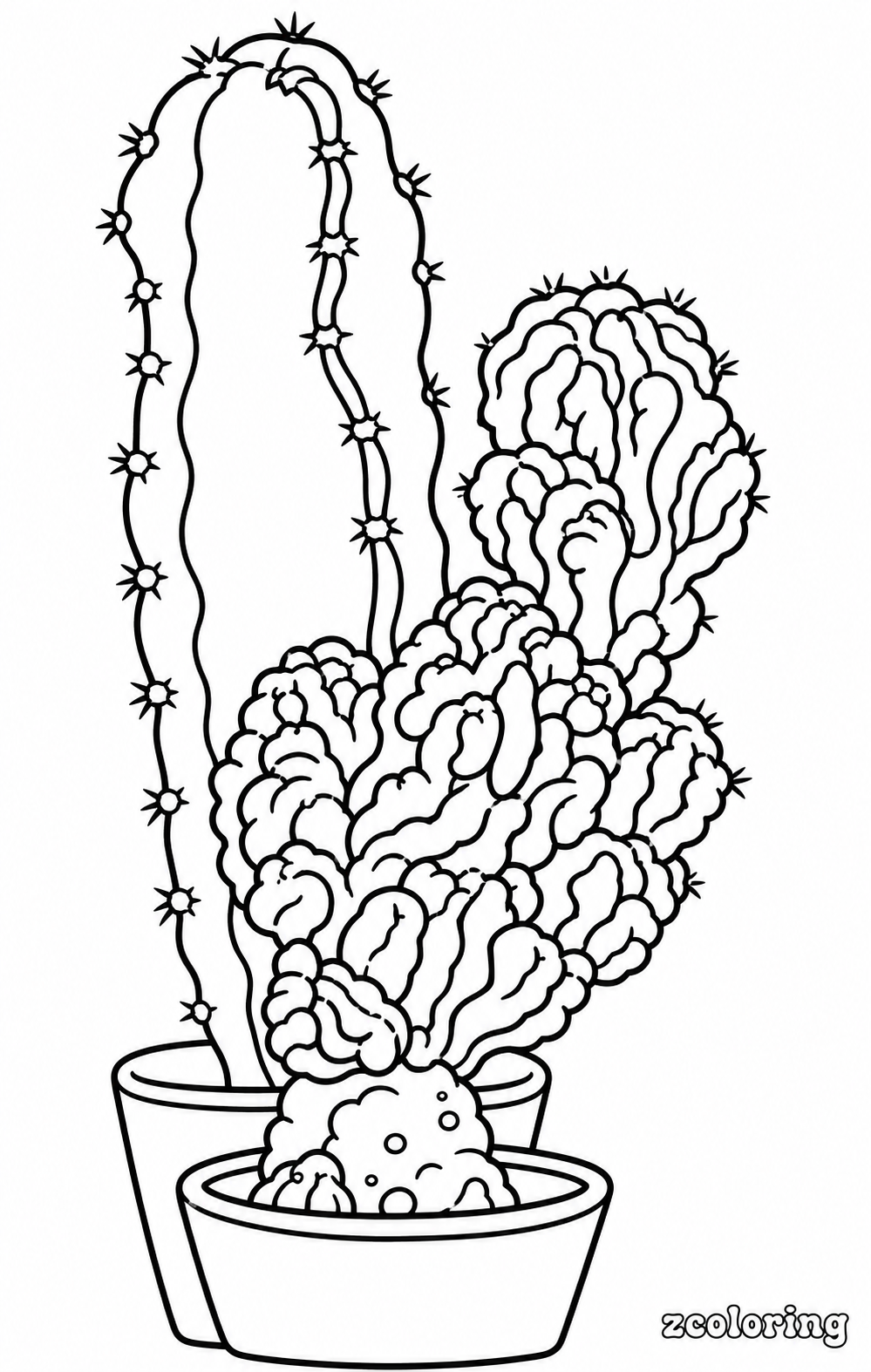
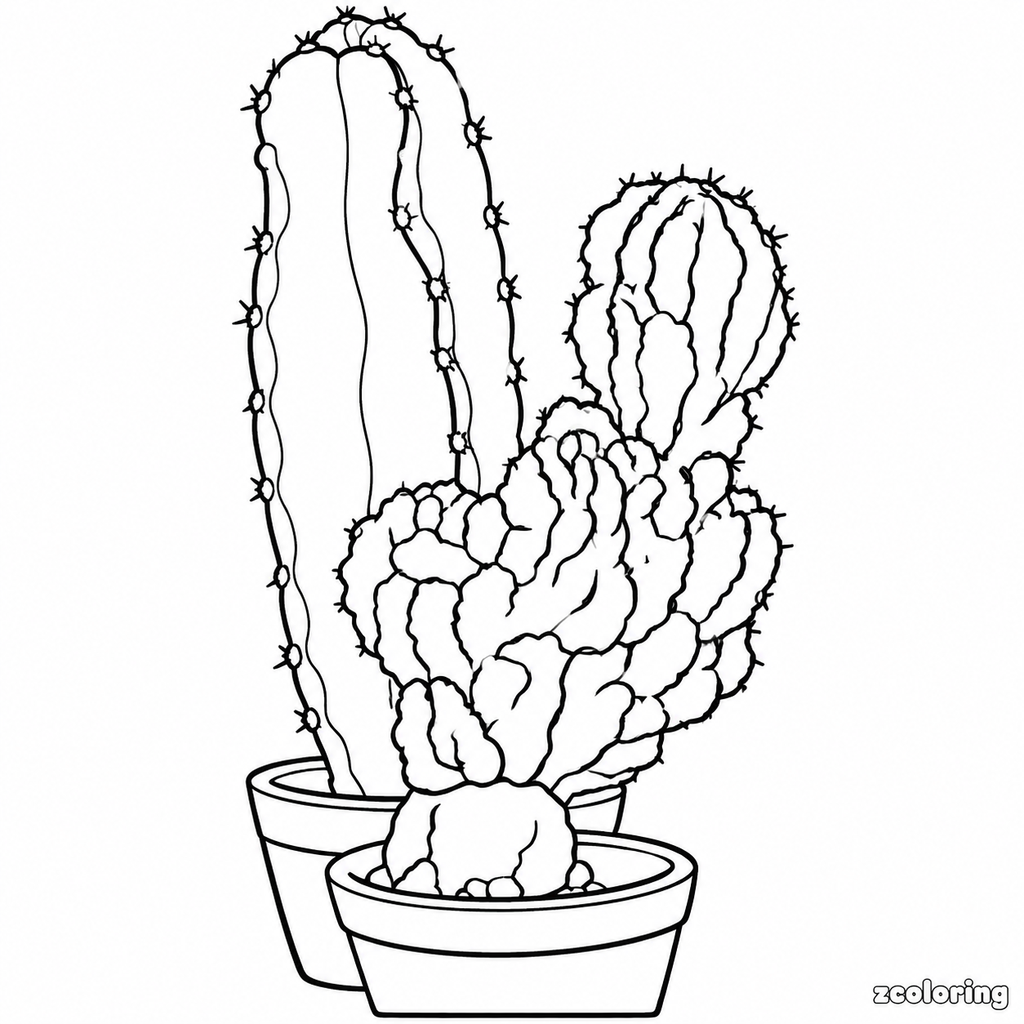
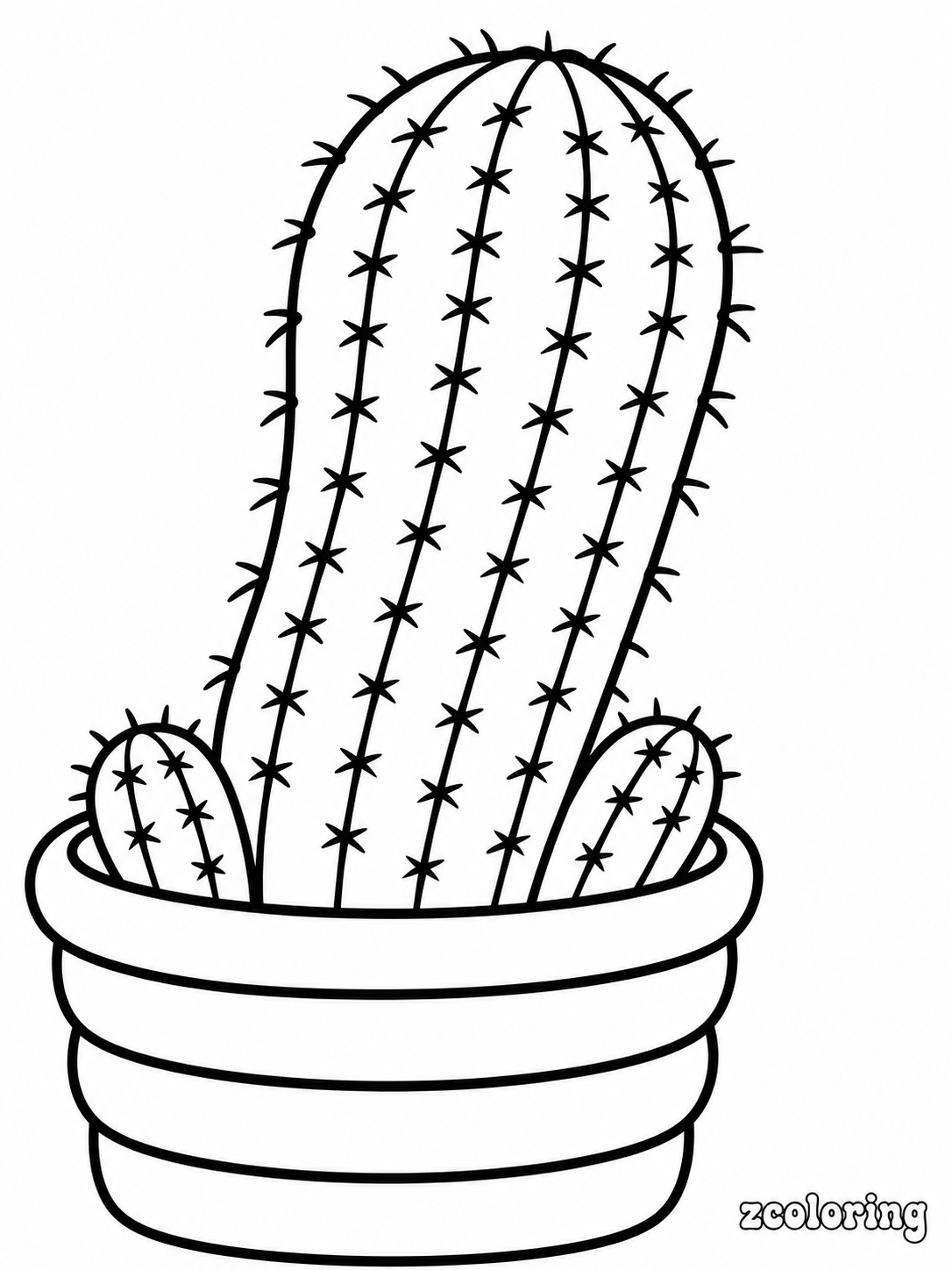
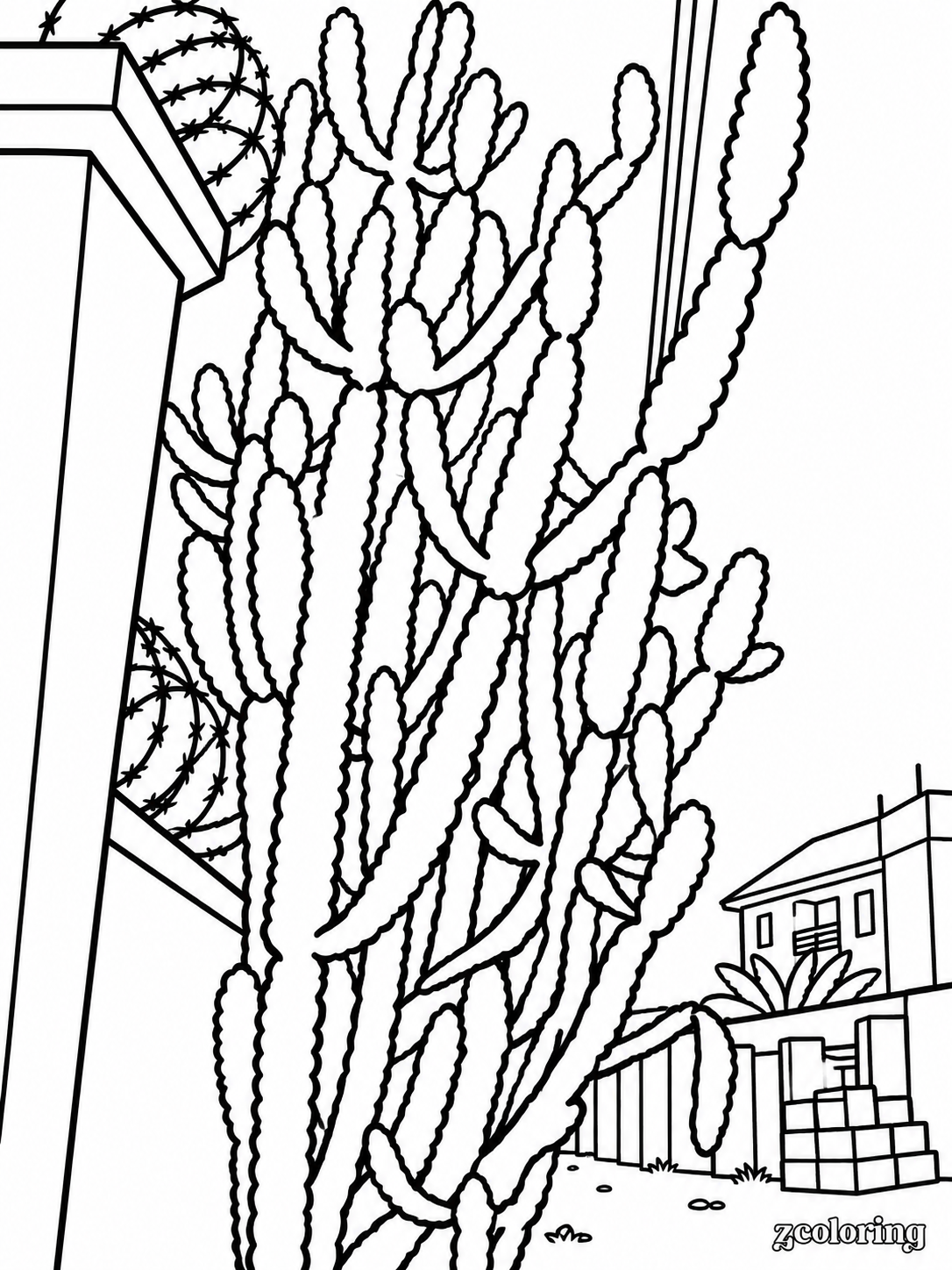
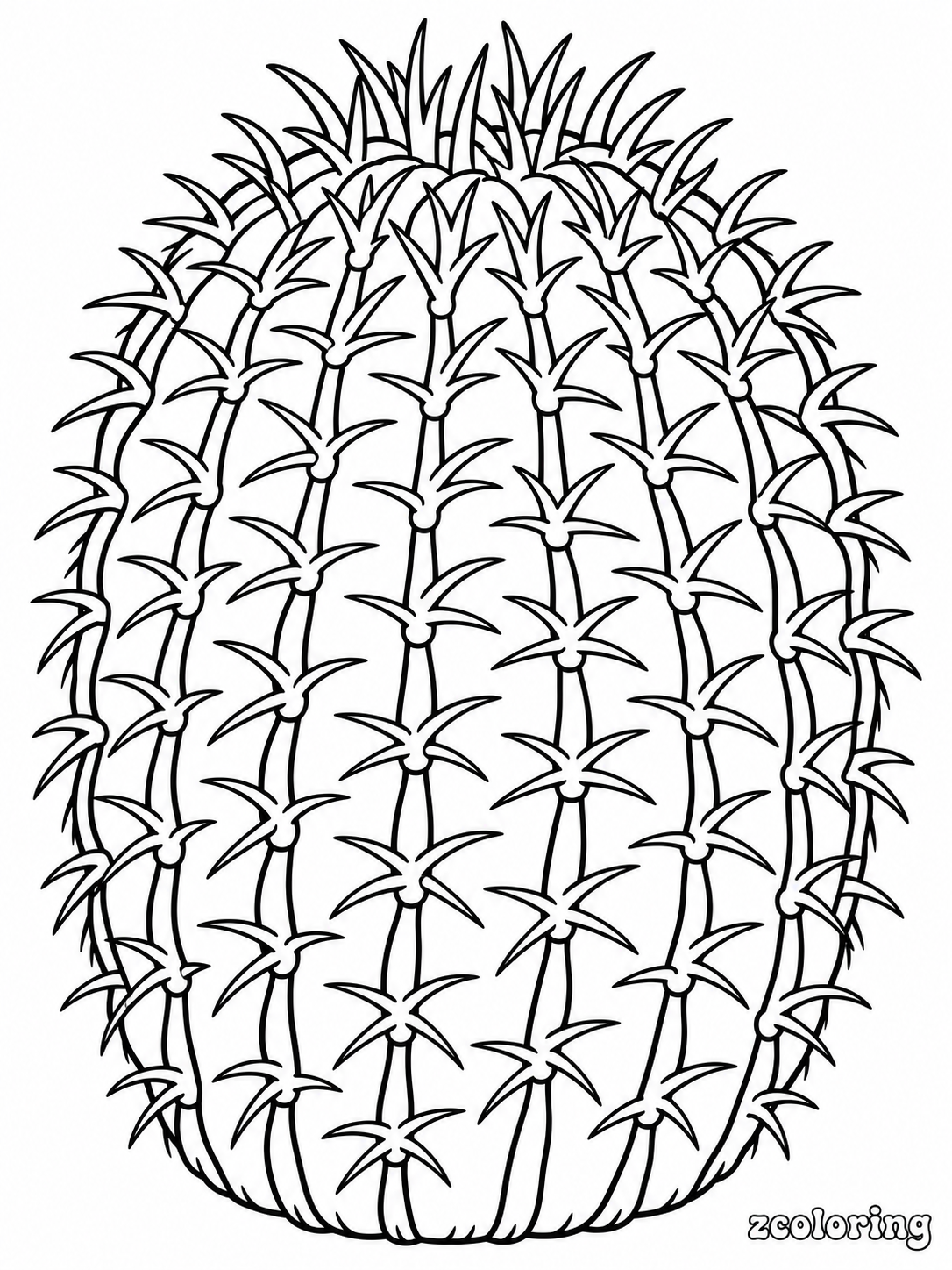
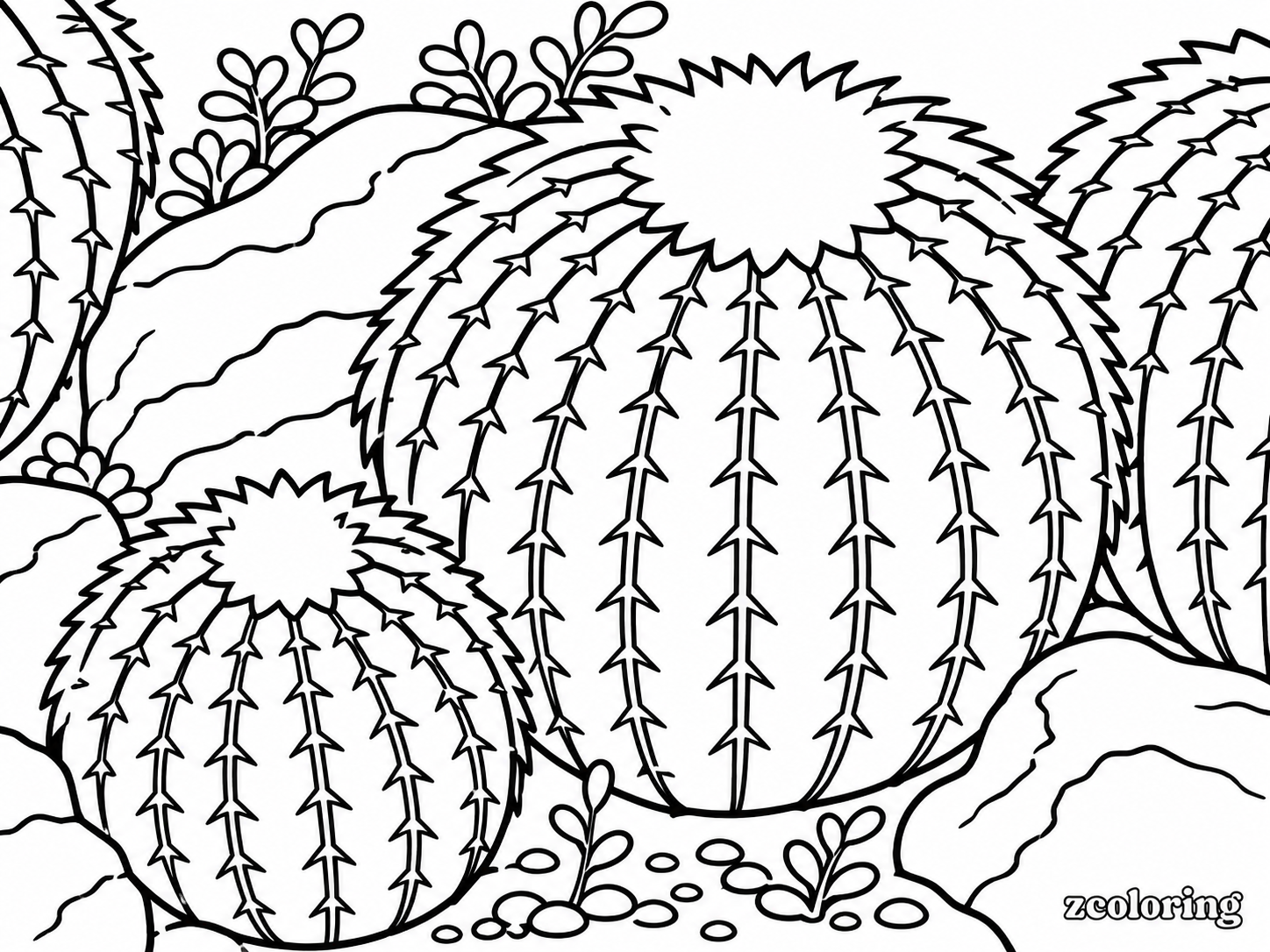
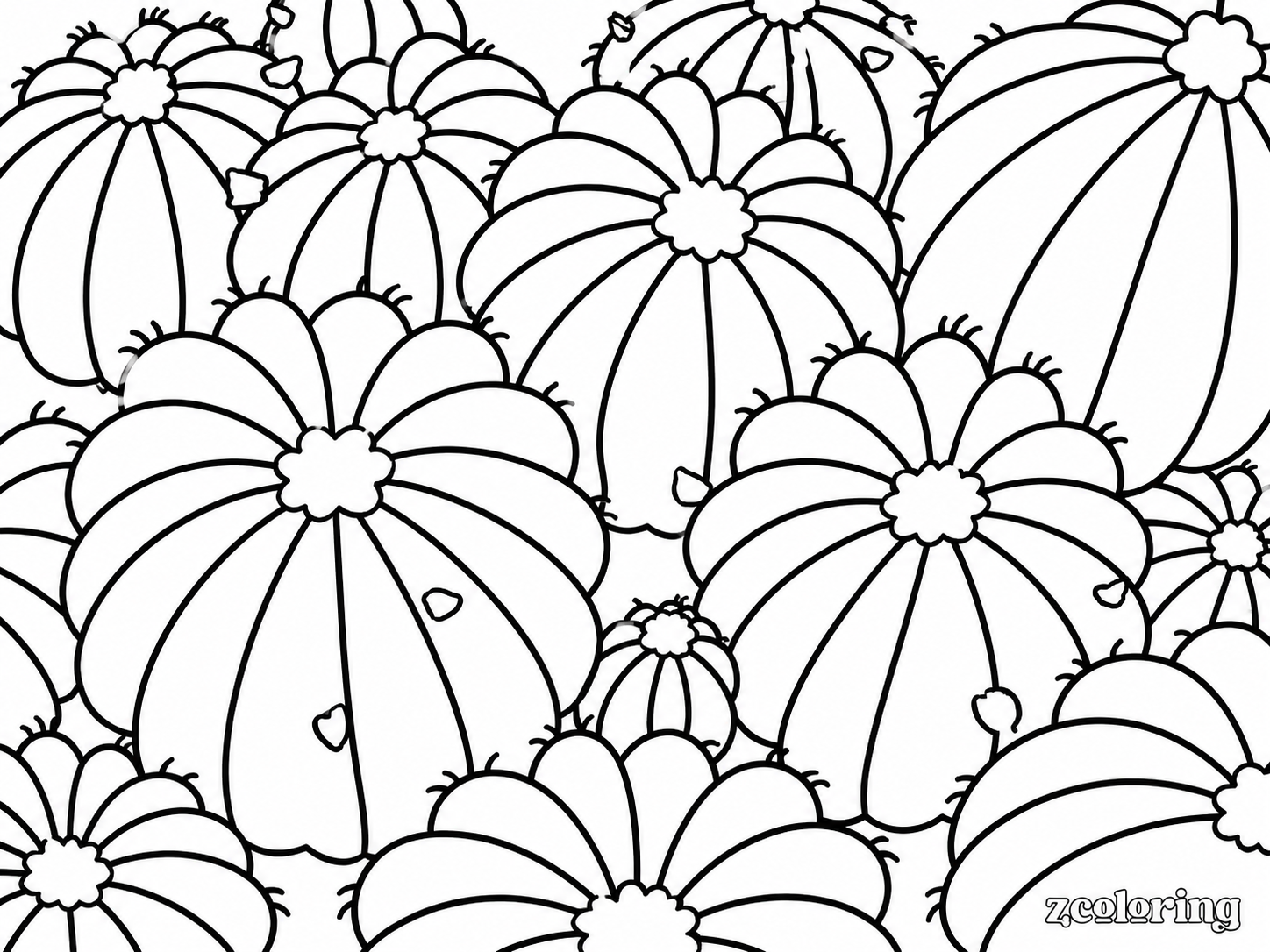
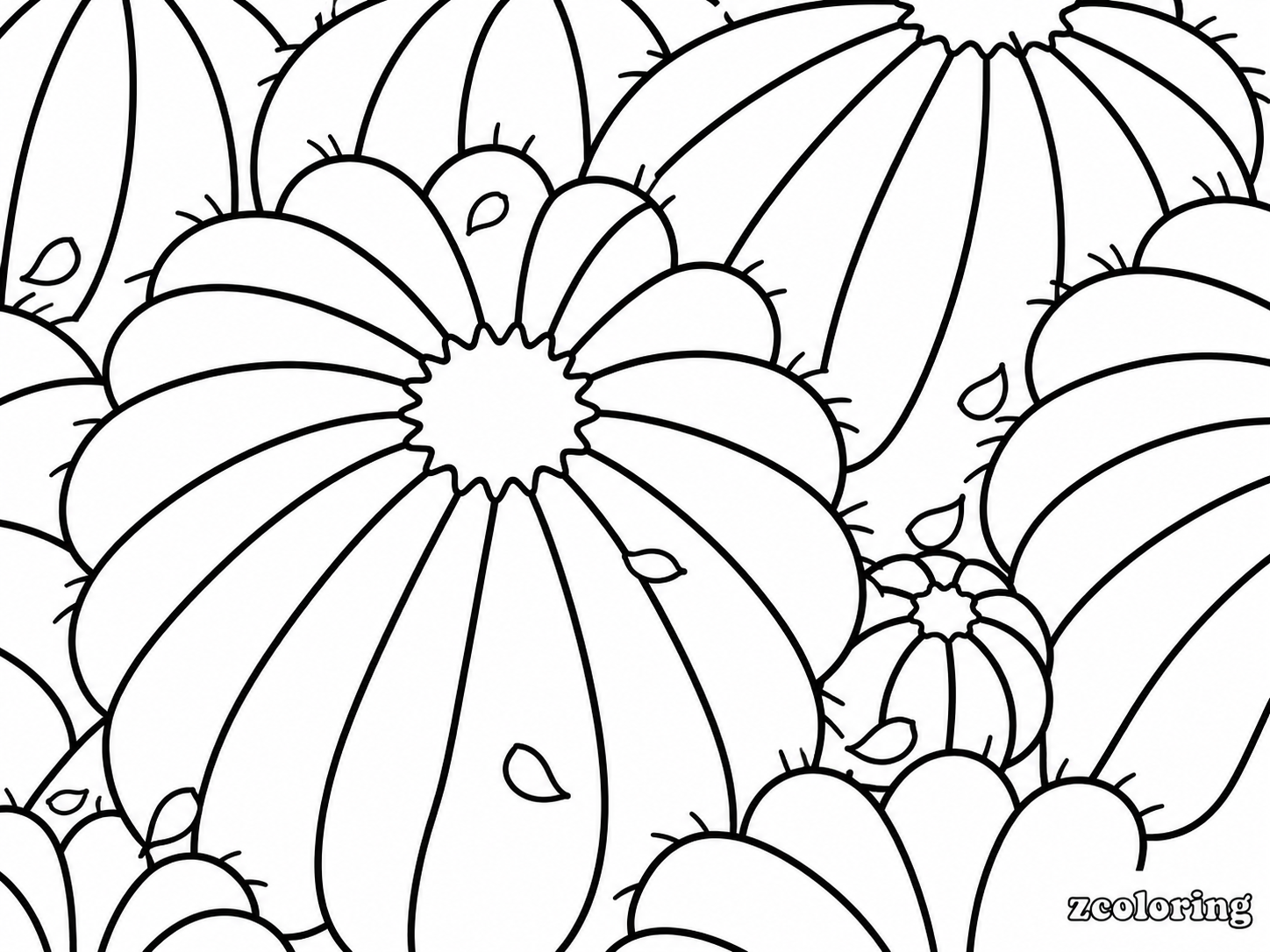
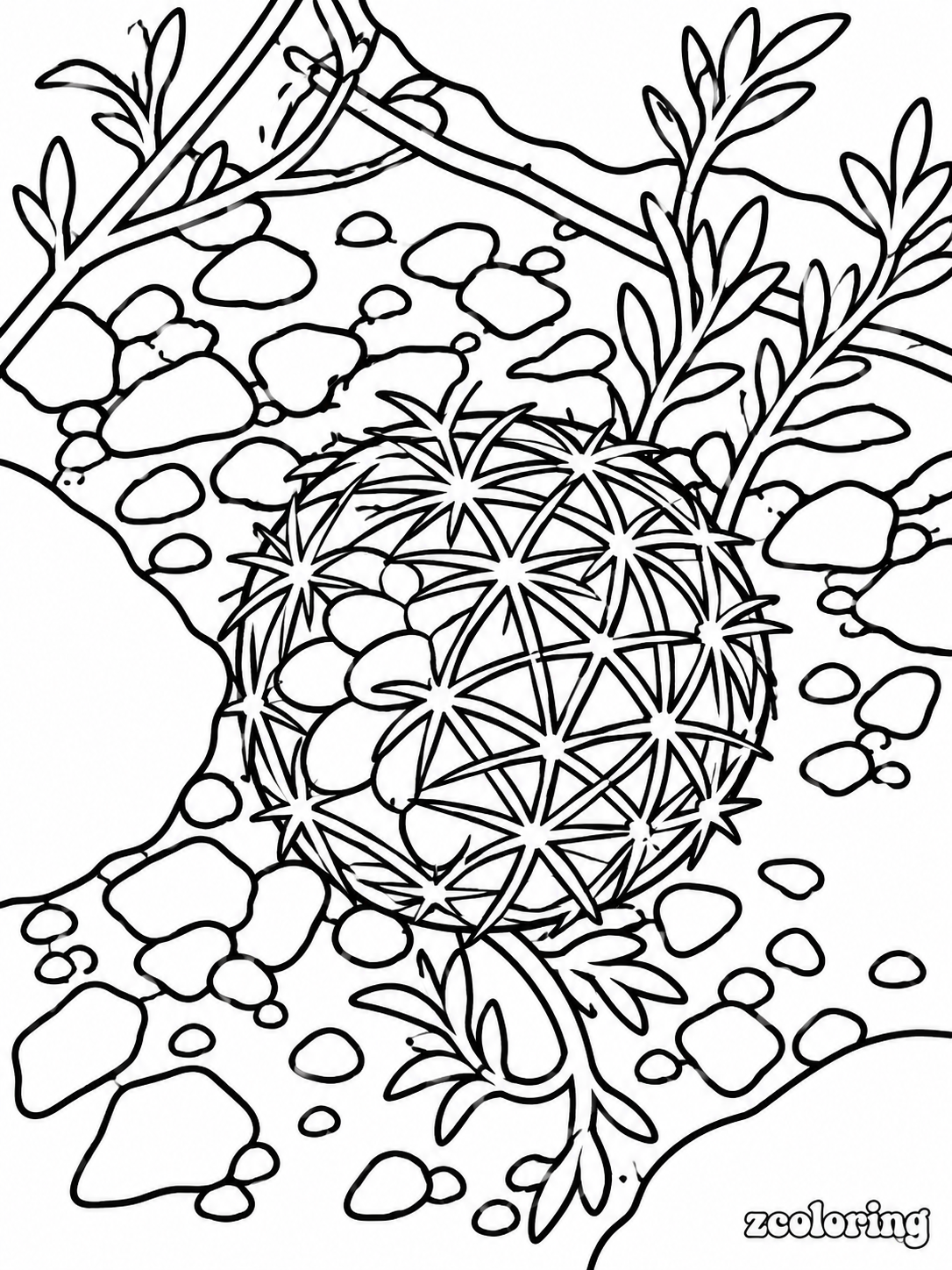
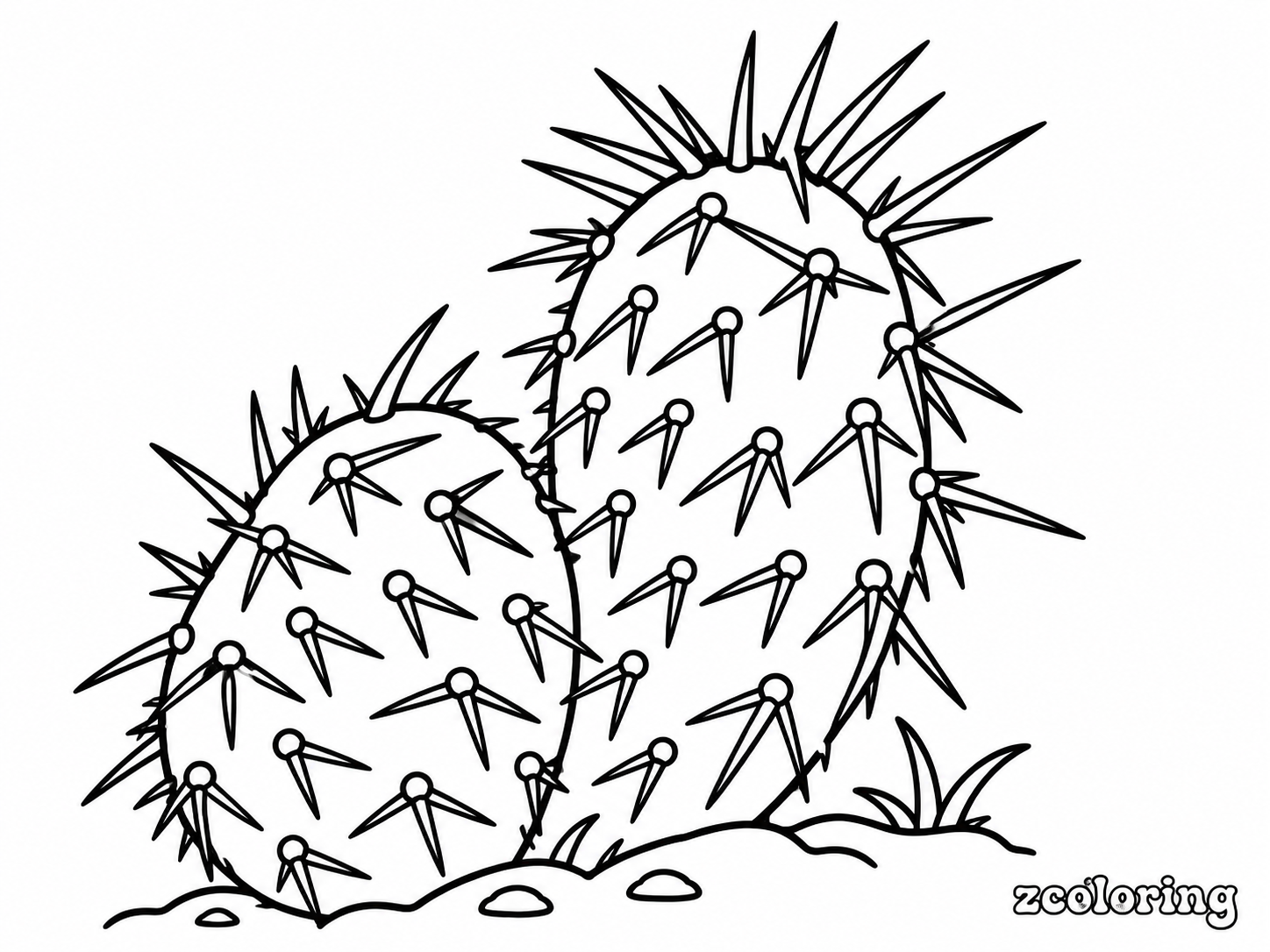
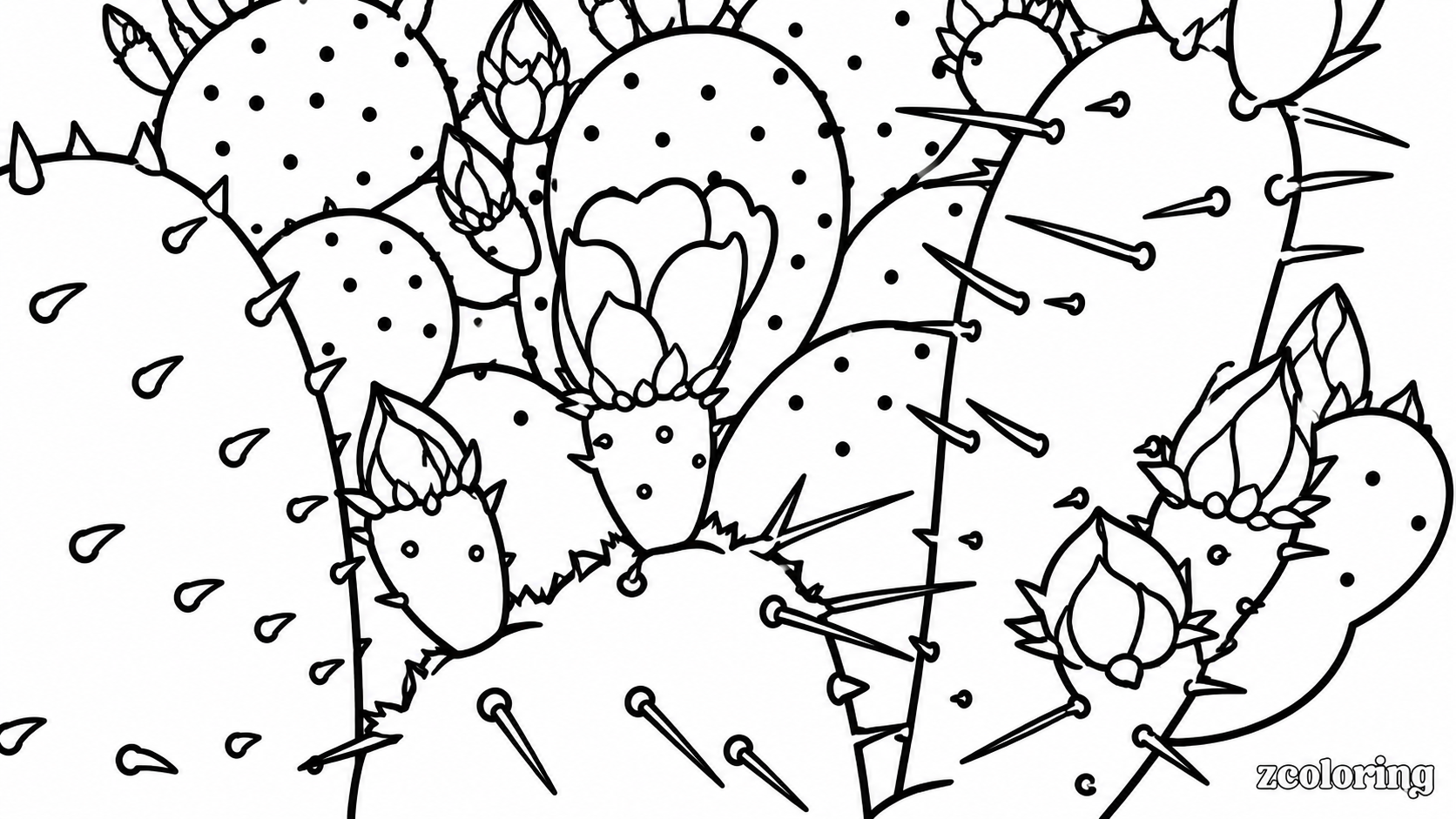
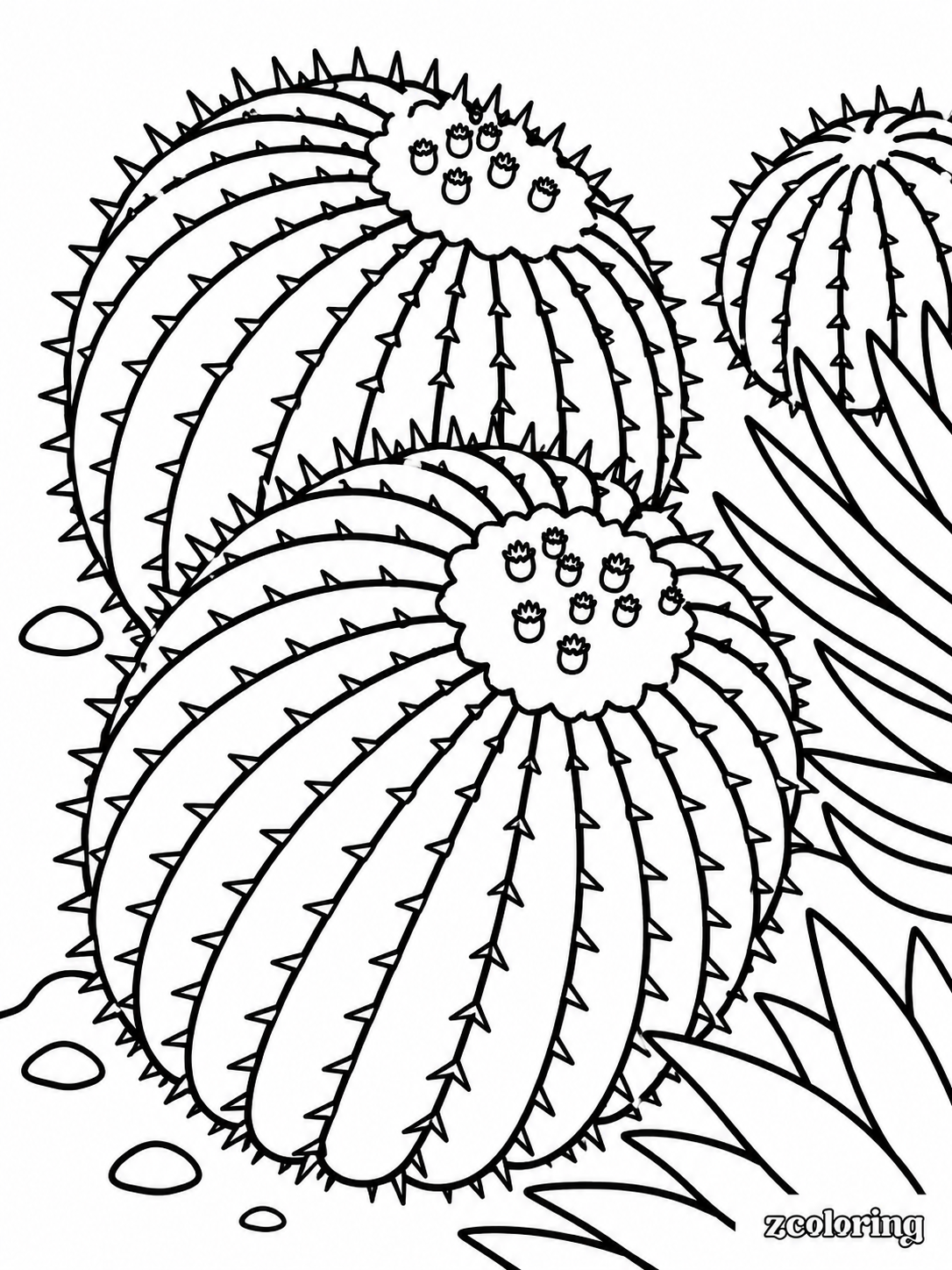
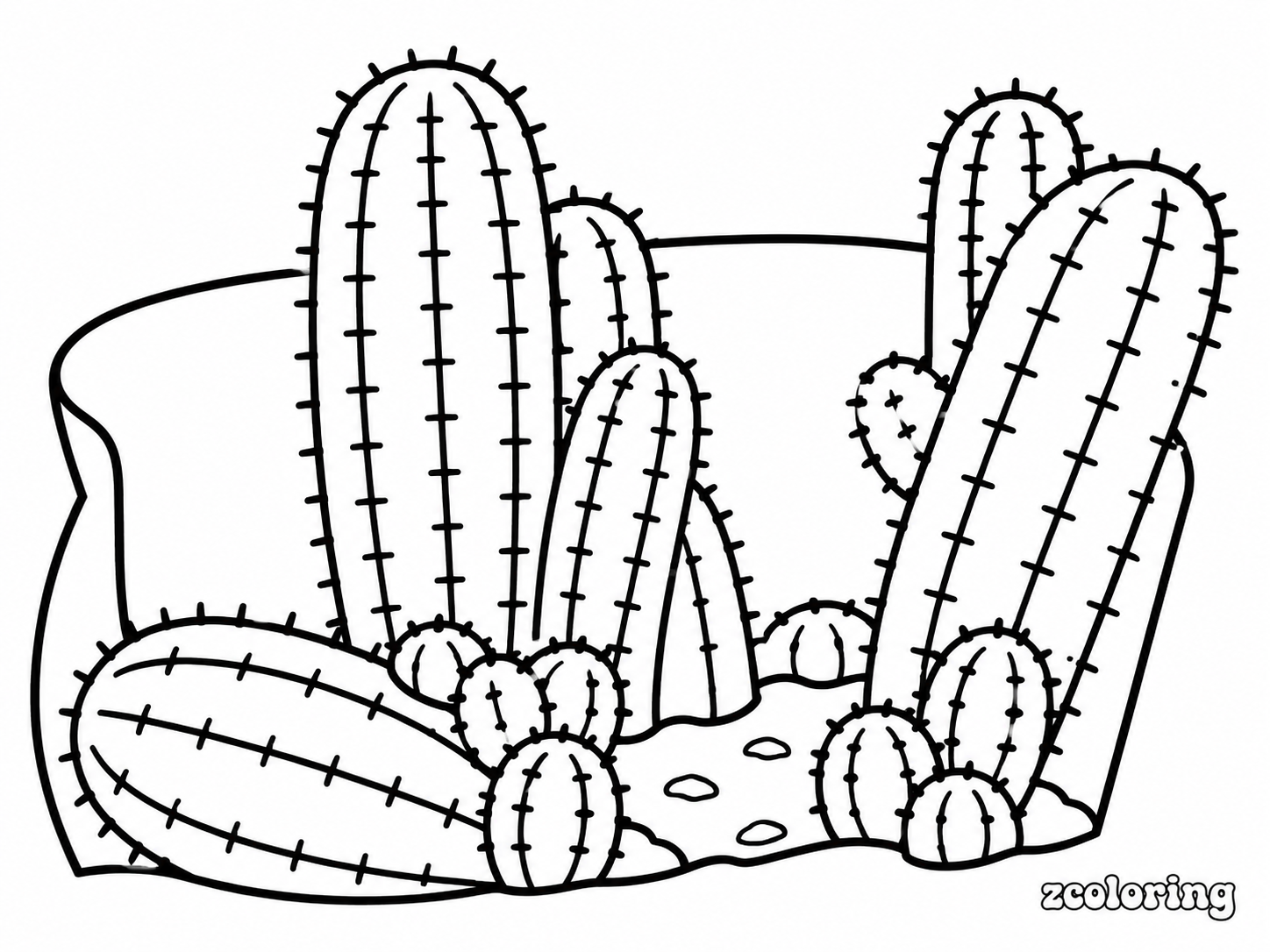
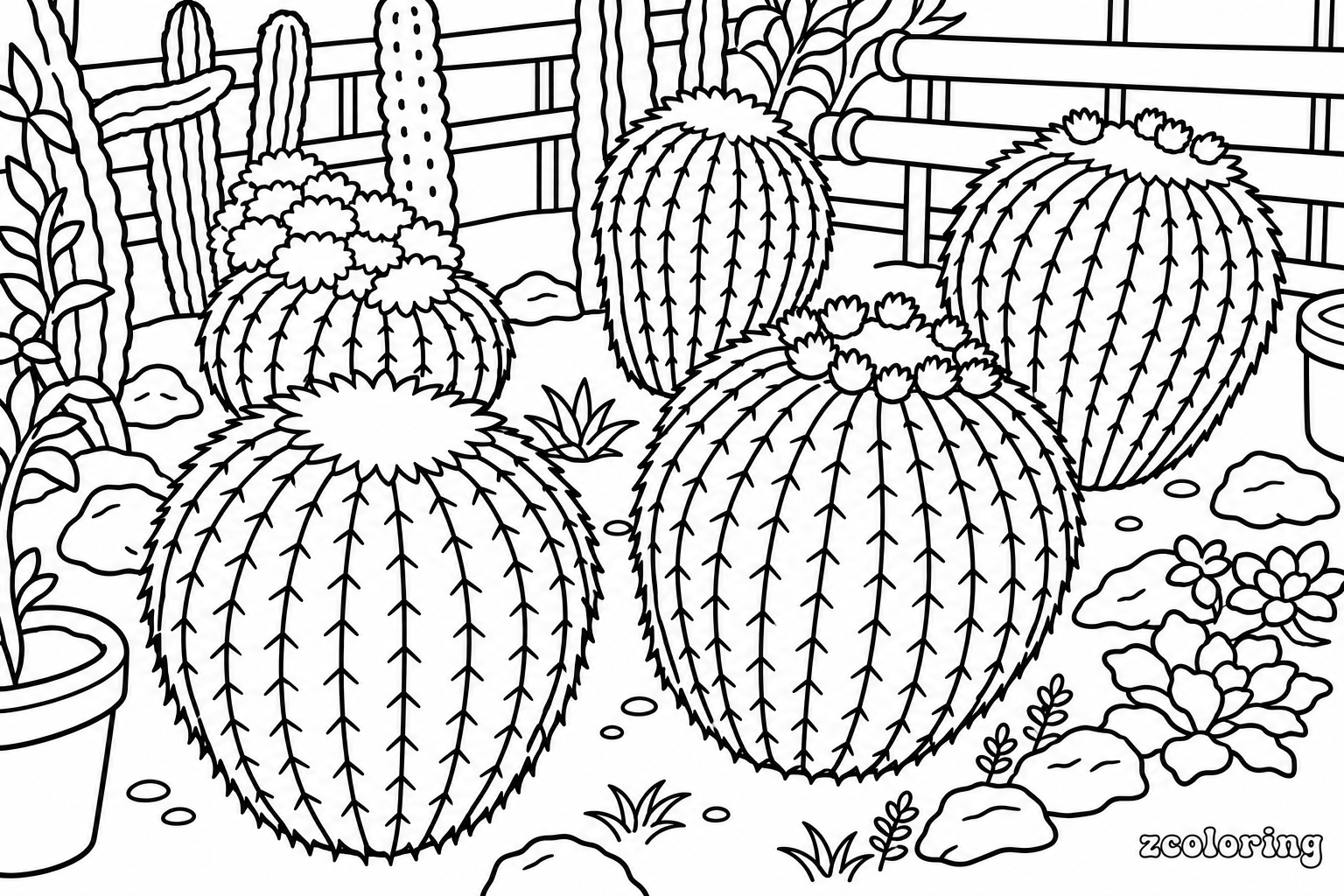
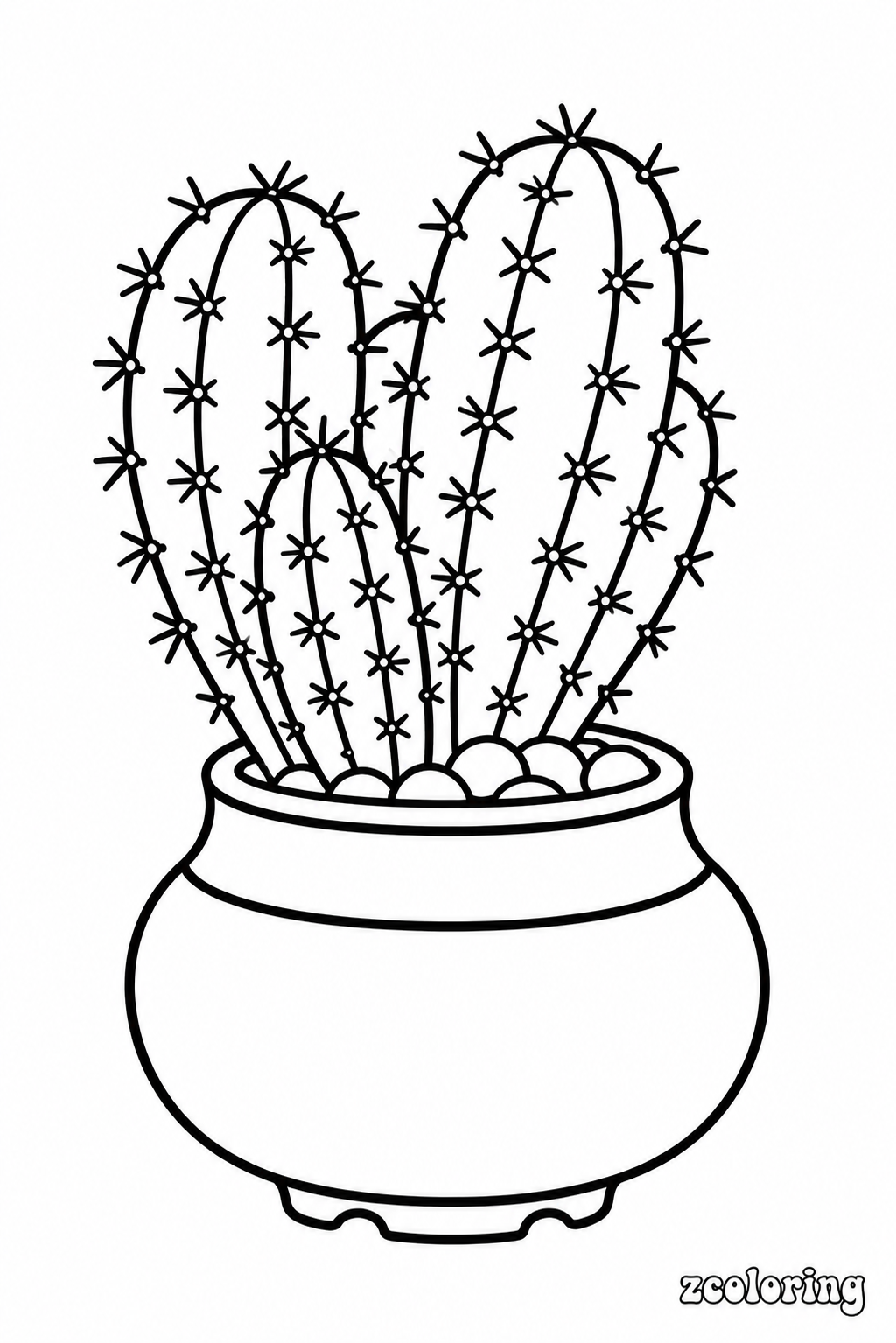
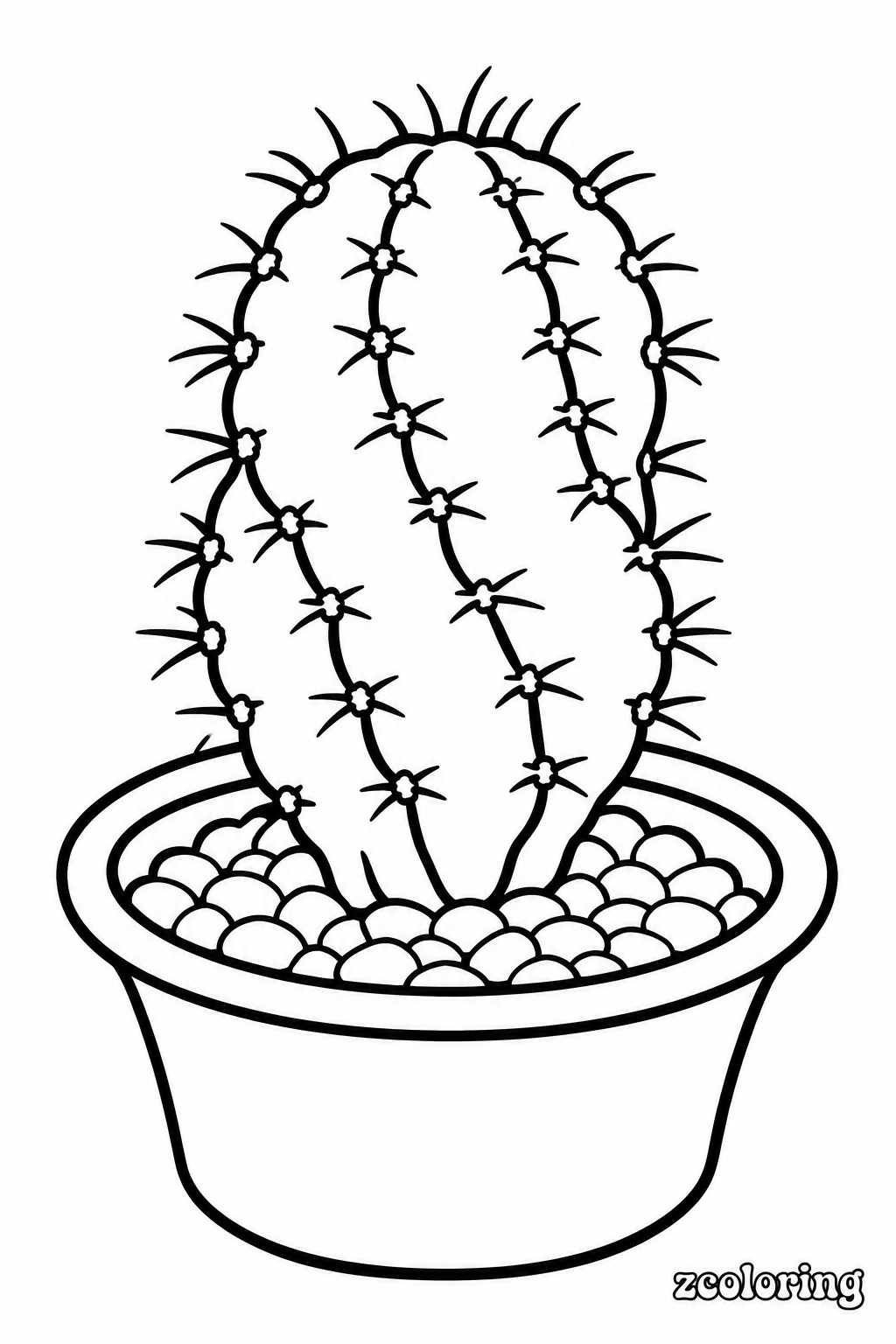
A cactus is a succulent plant in the family Cactaceae, native to the Americas — from the Sonoran Desert to the rainforest canopy. There are around 1,750 known species. What separates them from other succulents is areoles: small bumps that produce spines, flowers and branches, and that exist in no other plant family.
Most cacti are built for storage and restraint. The stem does the photosynthesis because there are no real leaves; the spines are modified leaves, there to shade the surface, break up airflow and keep animals off. Some species swell after rain and shrink through drought, and a saguaro can hold hundreds of litres.
Colors
- Body: never one flat green. Saguaro is a dusty blue-green, prickly pear a yellow-green with a purple cast at the joints, barrel cactus a deeper grey-green.
- Spines: pale yellow to bone white on most species, near-black on some barrel cacti.
- Flowers: cream-white on saguaro, yellow or magenta on prickly pear, pink to red on hedgehog cactus.
- Fruit: red to purple on prickly pear, red on saguaro.
- Ground: sand is warm beige, never white; rock is warm grey.
Common questions
Why does a cactus have spines instead of leaves?
Spines are modified leaves. A wide leaf loses water to the air, so the cactus reduced its leaves to spines and moved photosynthesis into the stem. The spines also shade the surface and discourage animals.
Do cacti flower?
Yes, most do, usually in spring or early summer. Saguaro flowers open at night and are pollinated by bats and moths.
How long do they live?
A saguaro can live 150 to 200 years and does not grow its first arm until it is 50 to 75 years old. Smaller species live a few decades.
Is a cactus the same as a succulent?
No. Every cactus is a succulent, but not every succulent is a cactus. Only cacti have areoles.
Last updated