

TOPIC
27 Gorilla Coloring Pages and Free PDF Printables
Free printable gorilla coloring pages — silverbacks, babies and jungle scenes. Learn the fur and face colours while you colour. Download as a PDF.
27 coloring pages
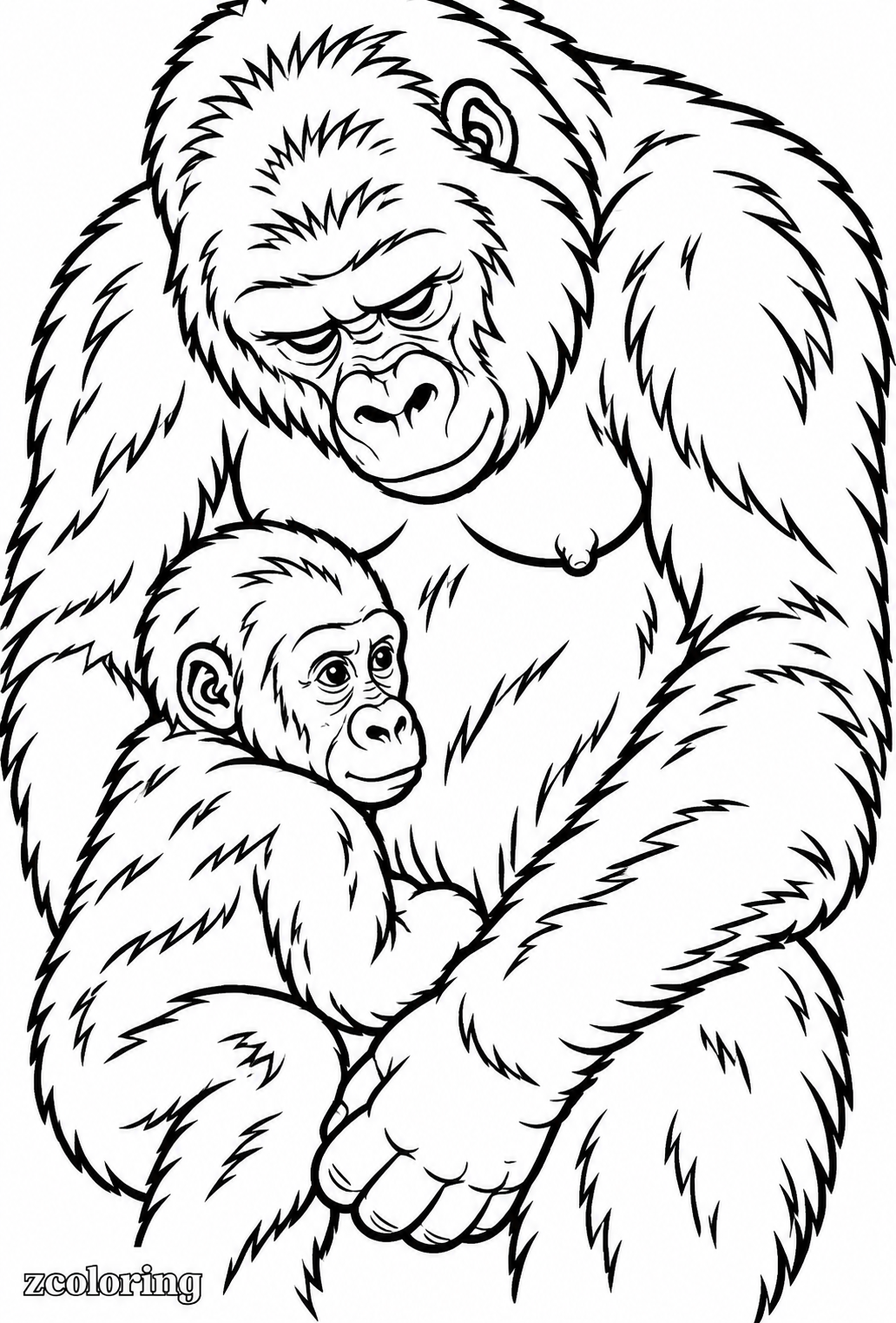
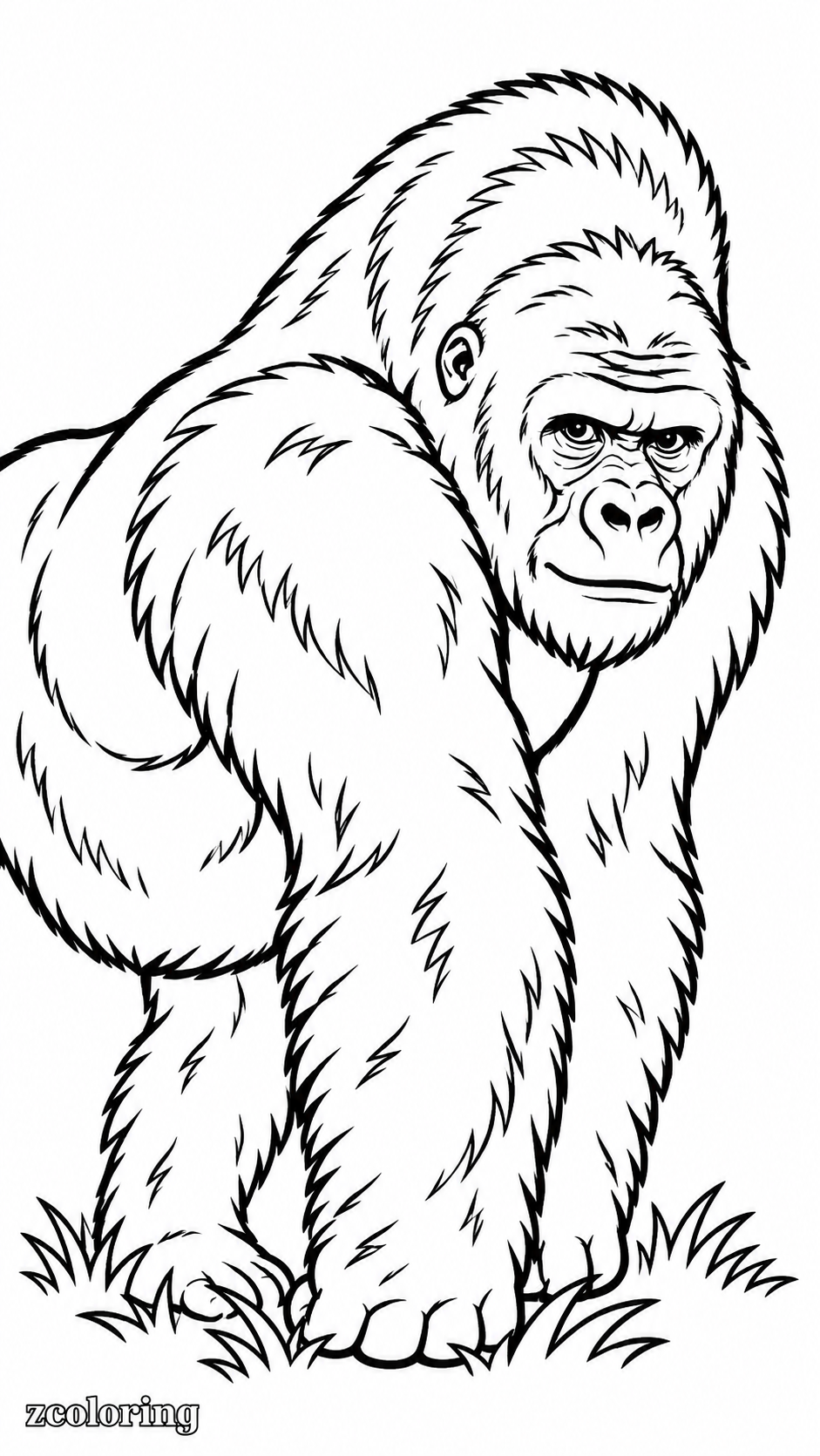
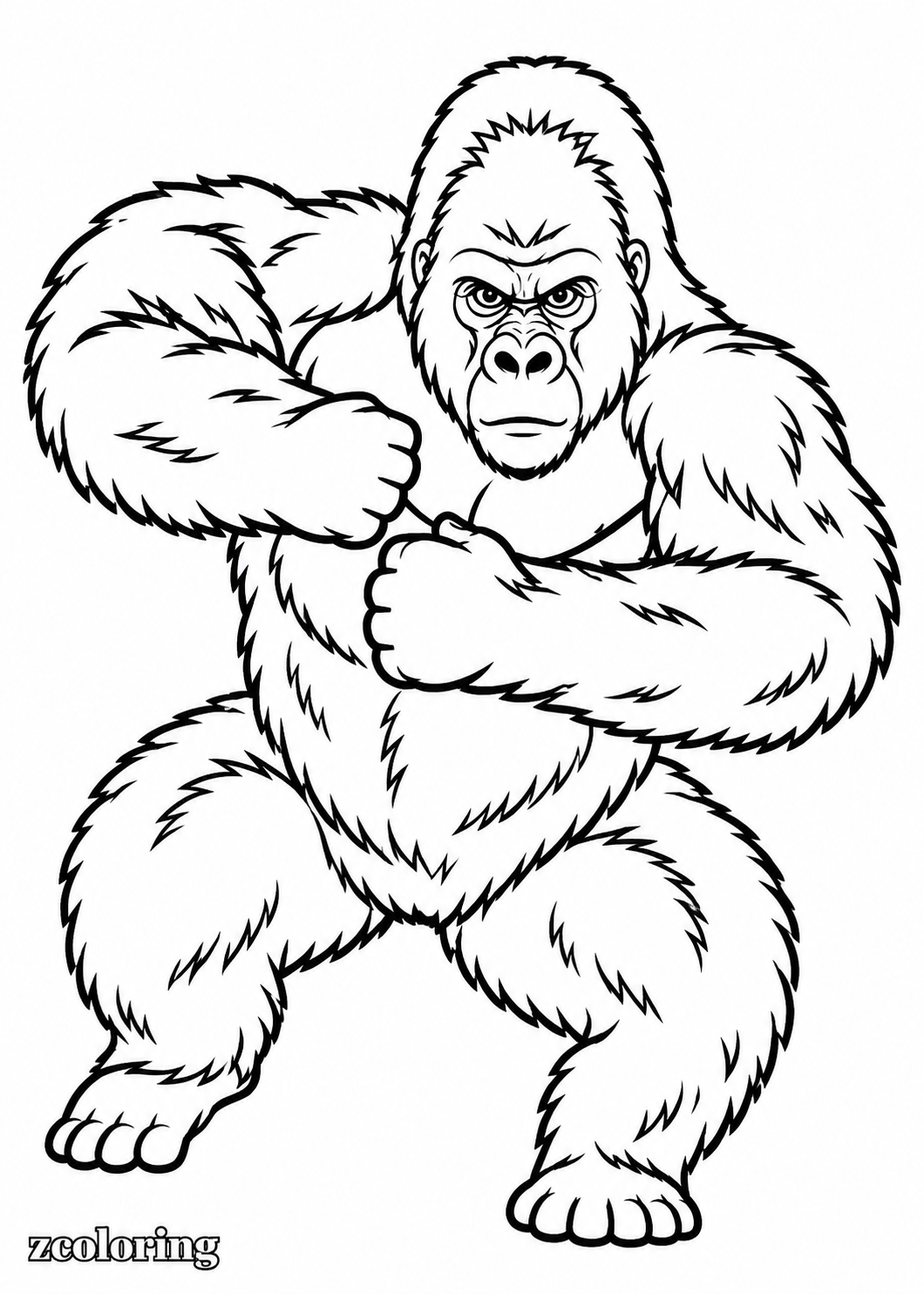
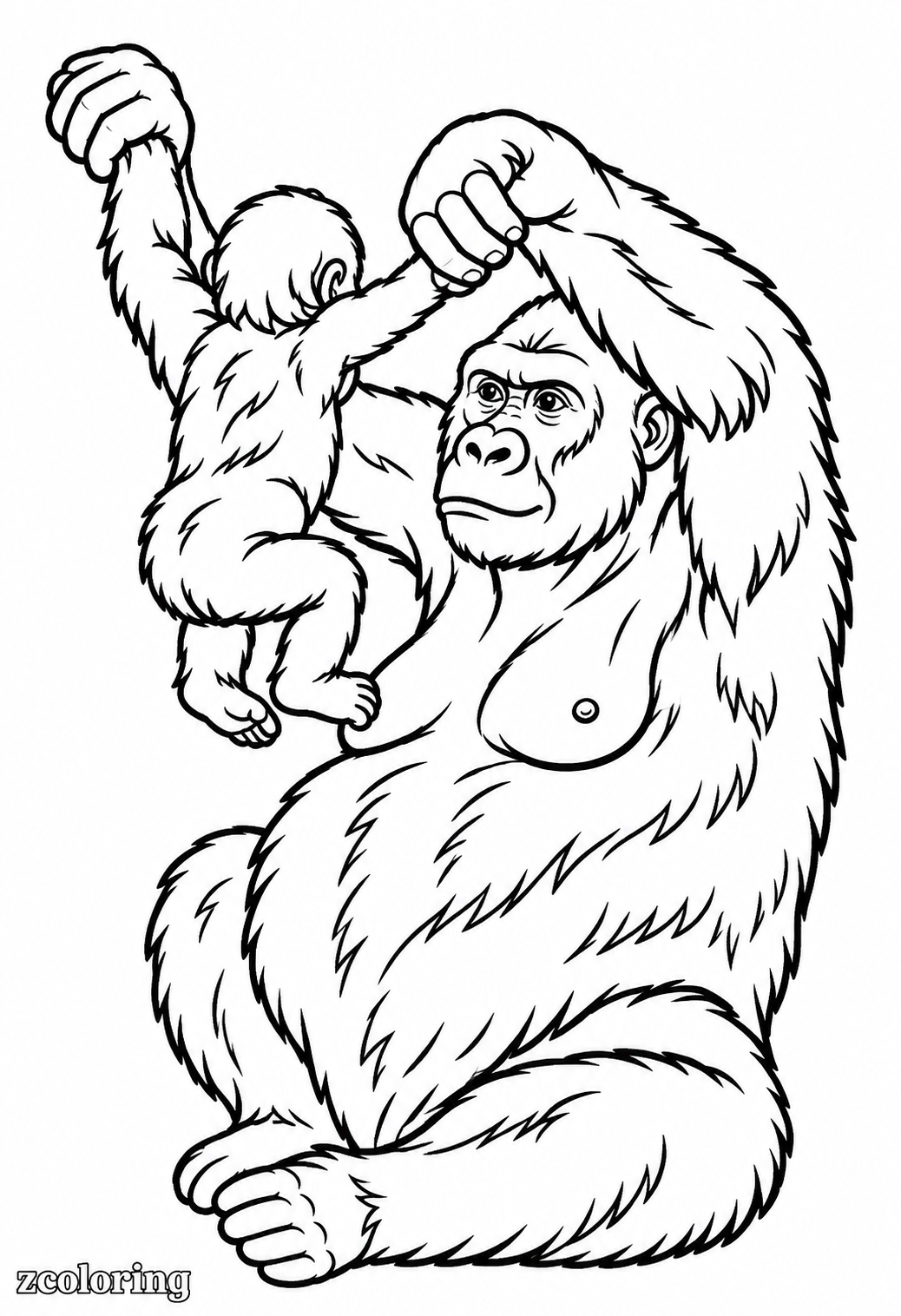
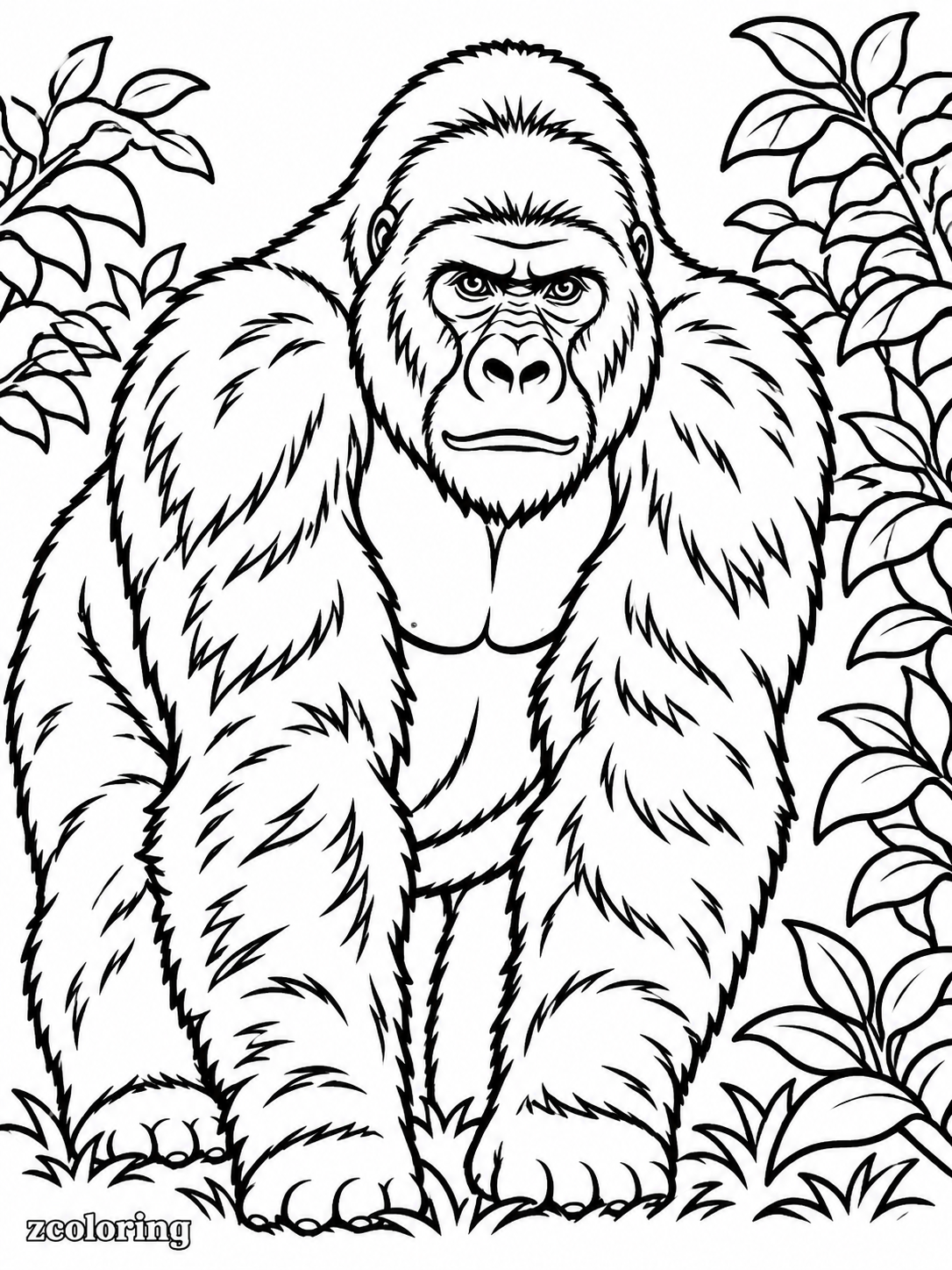
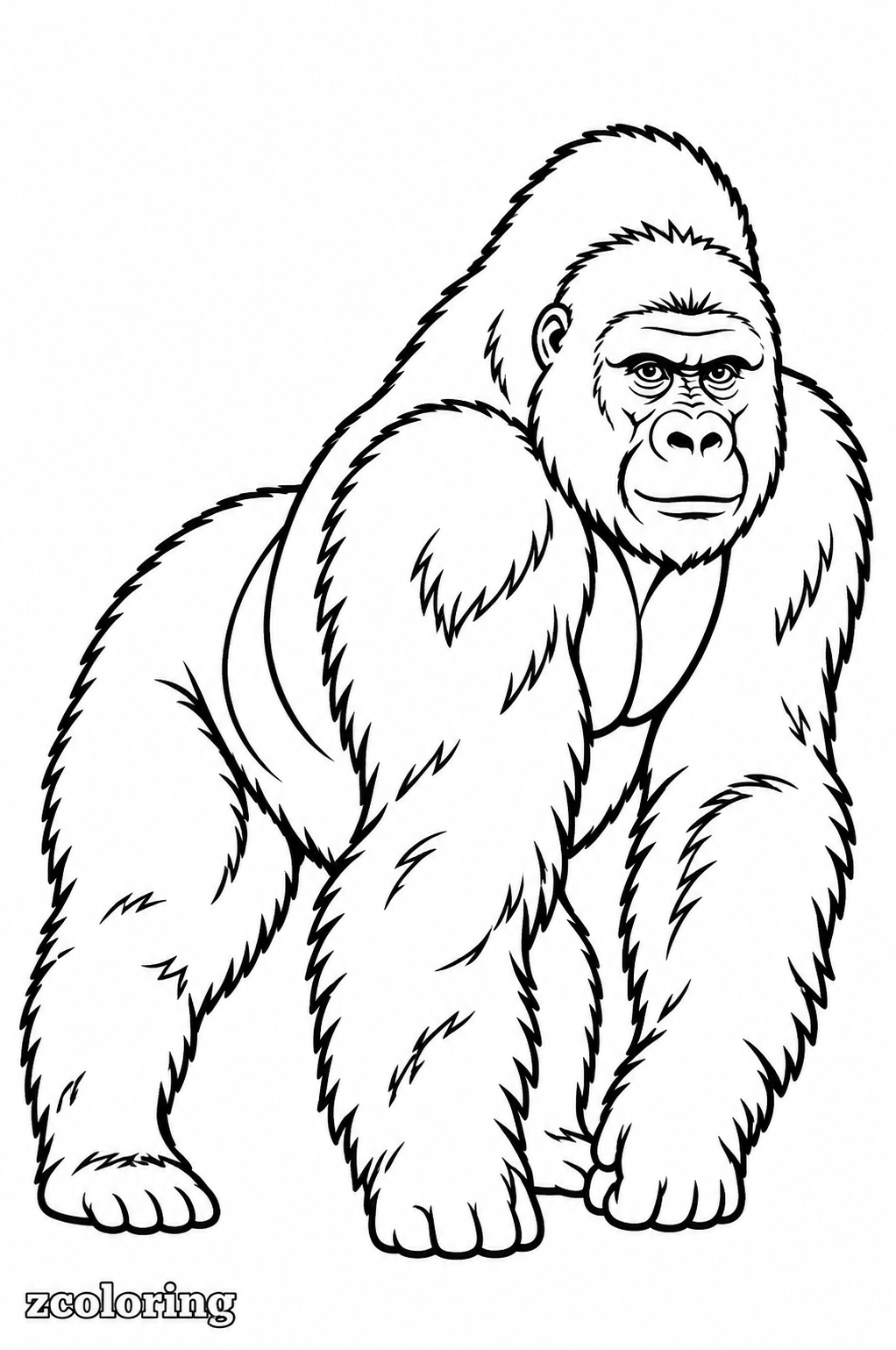
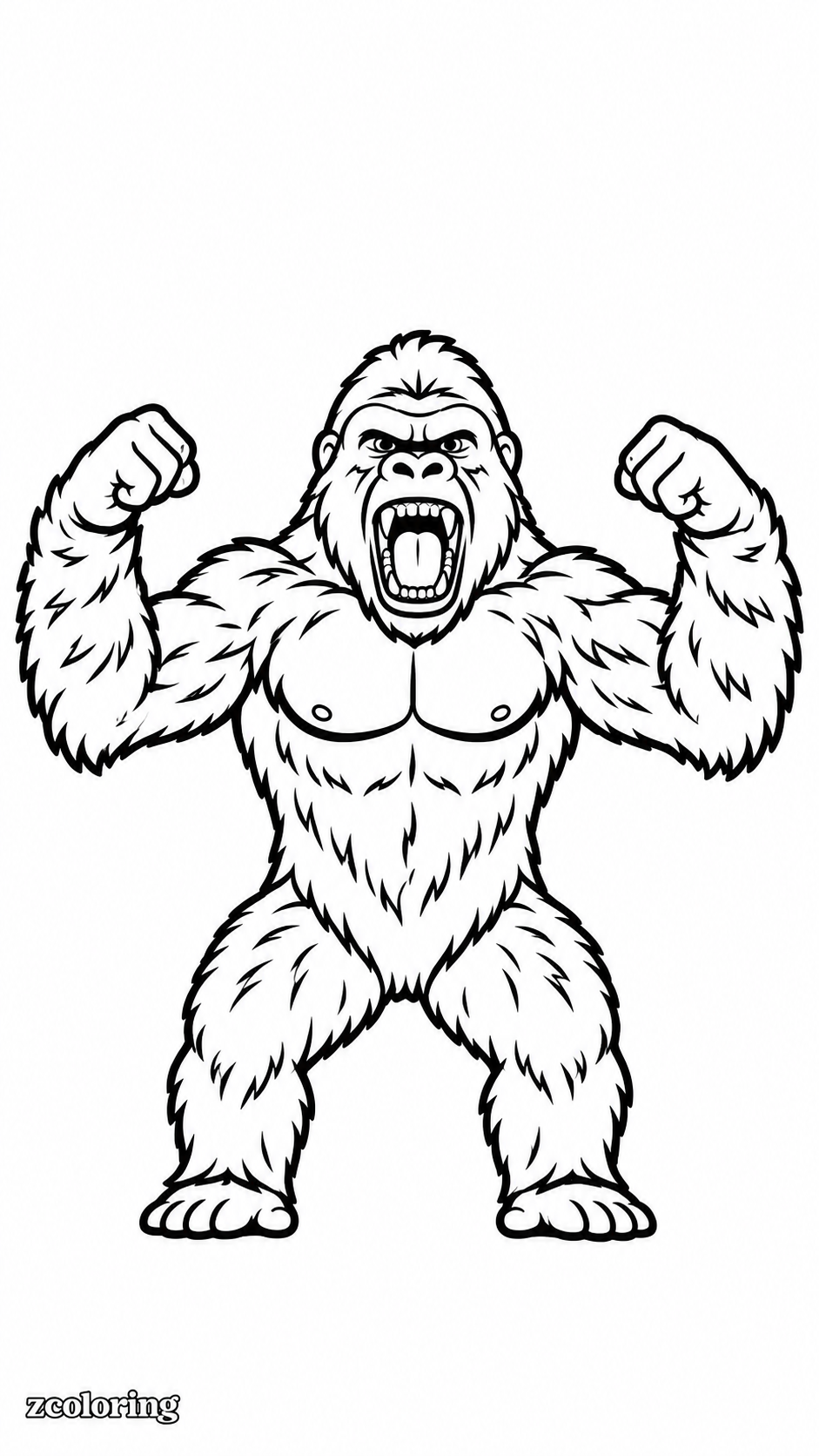
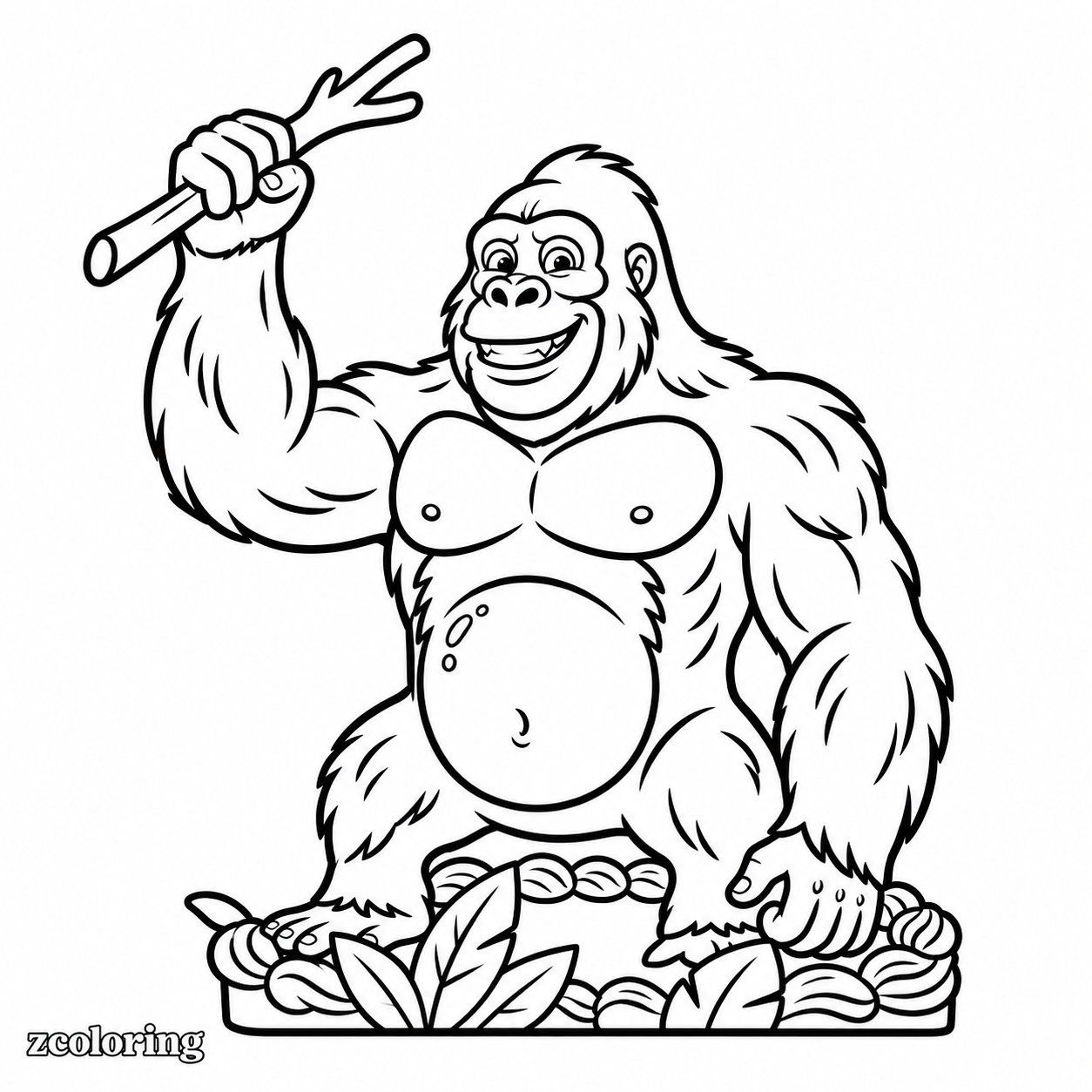
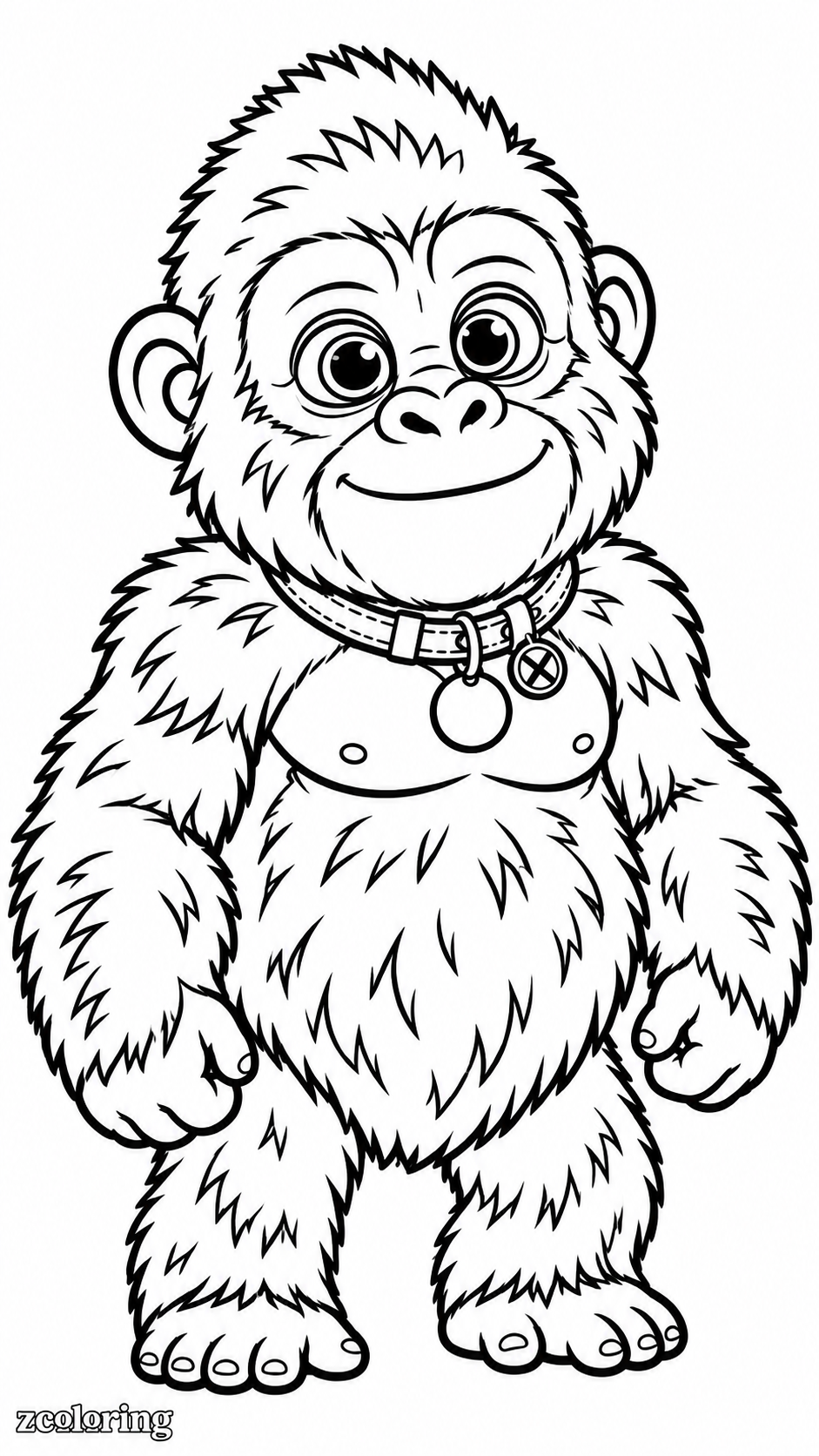
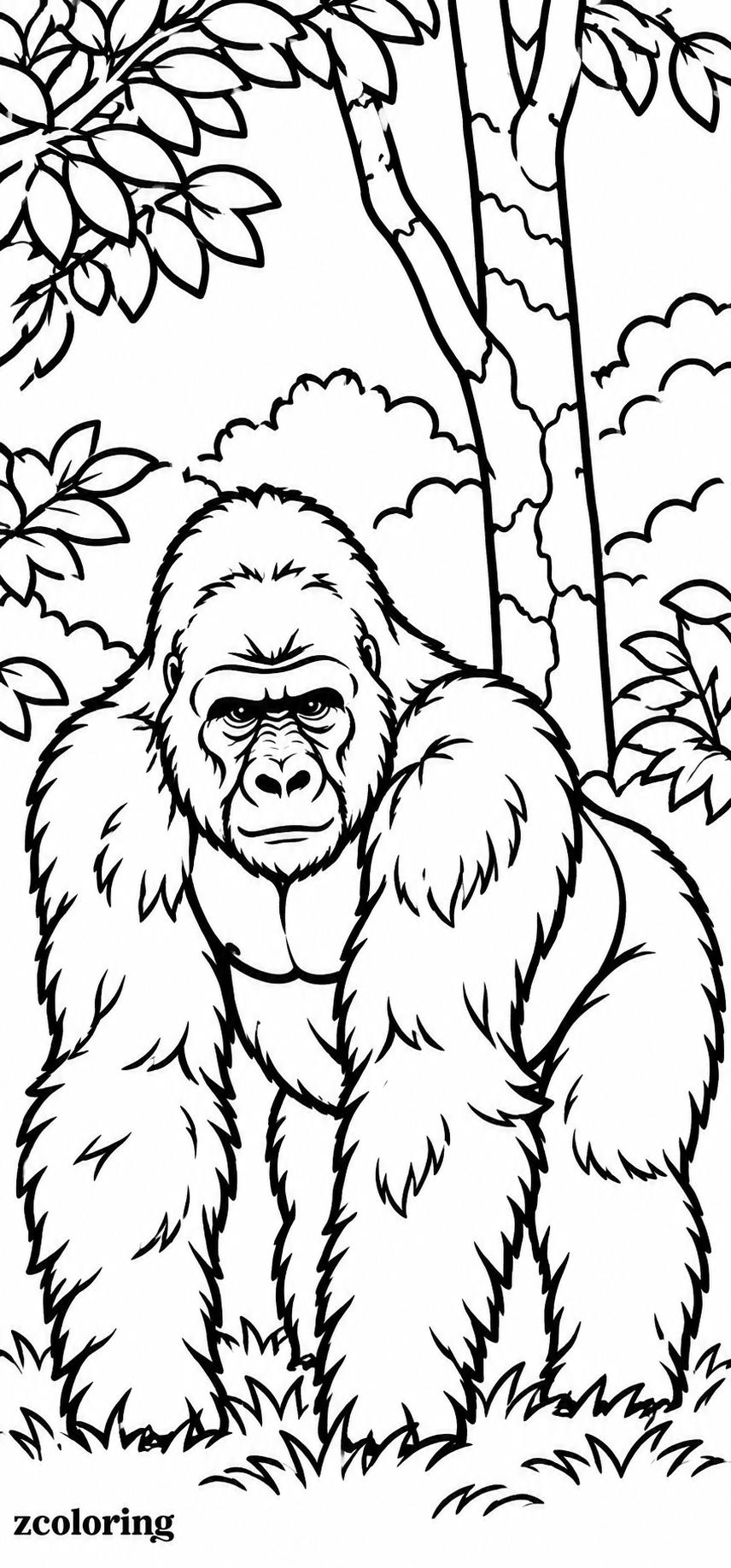
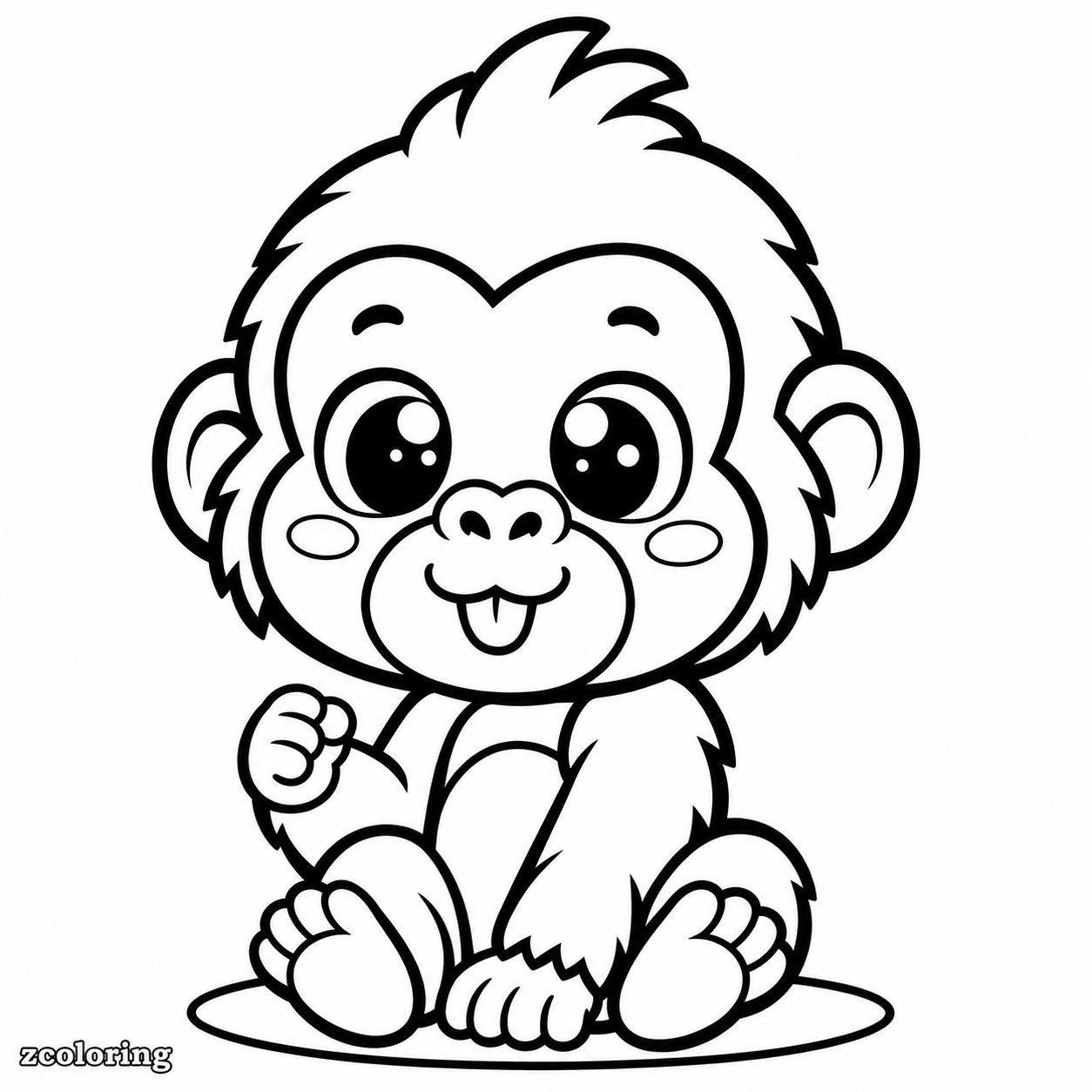
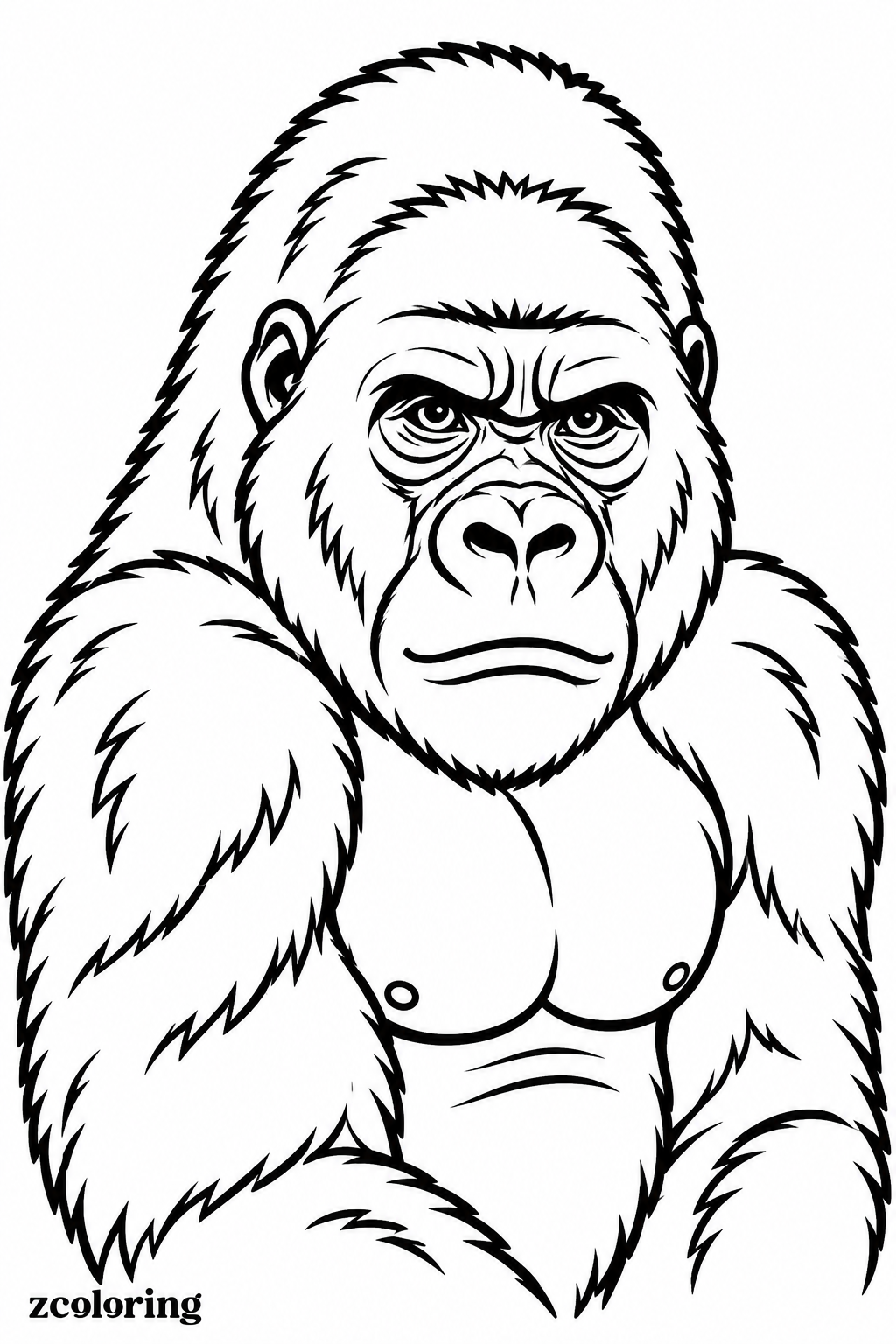
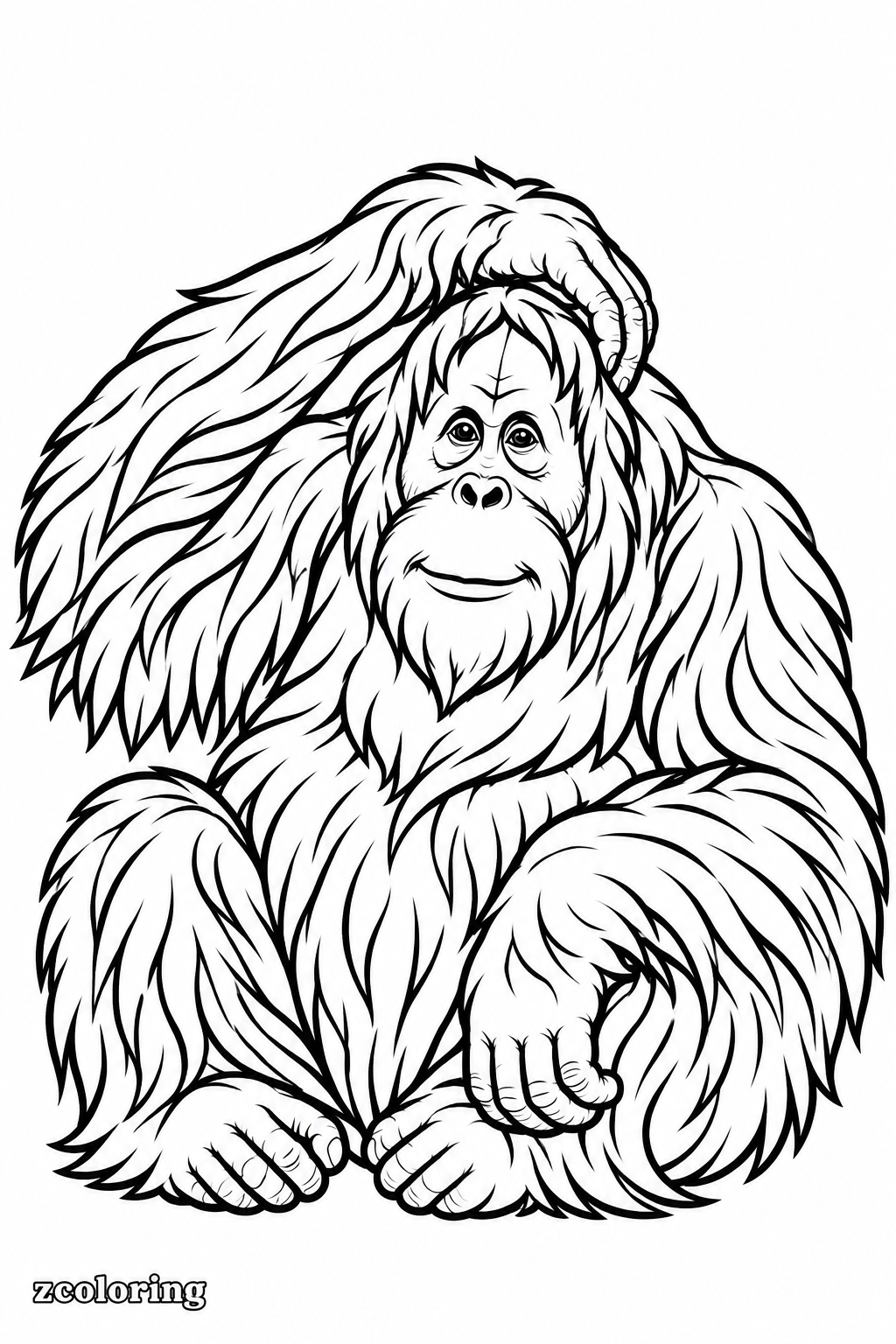
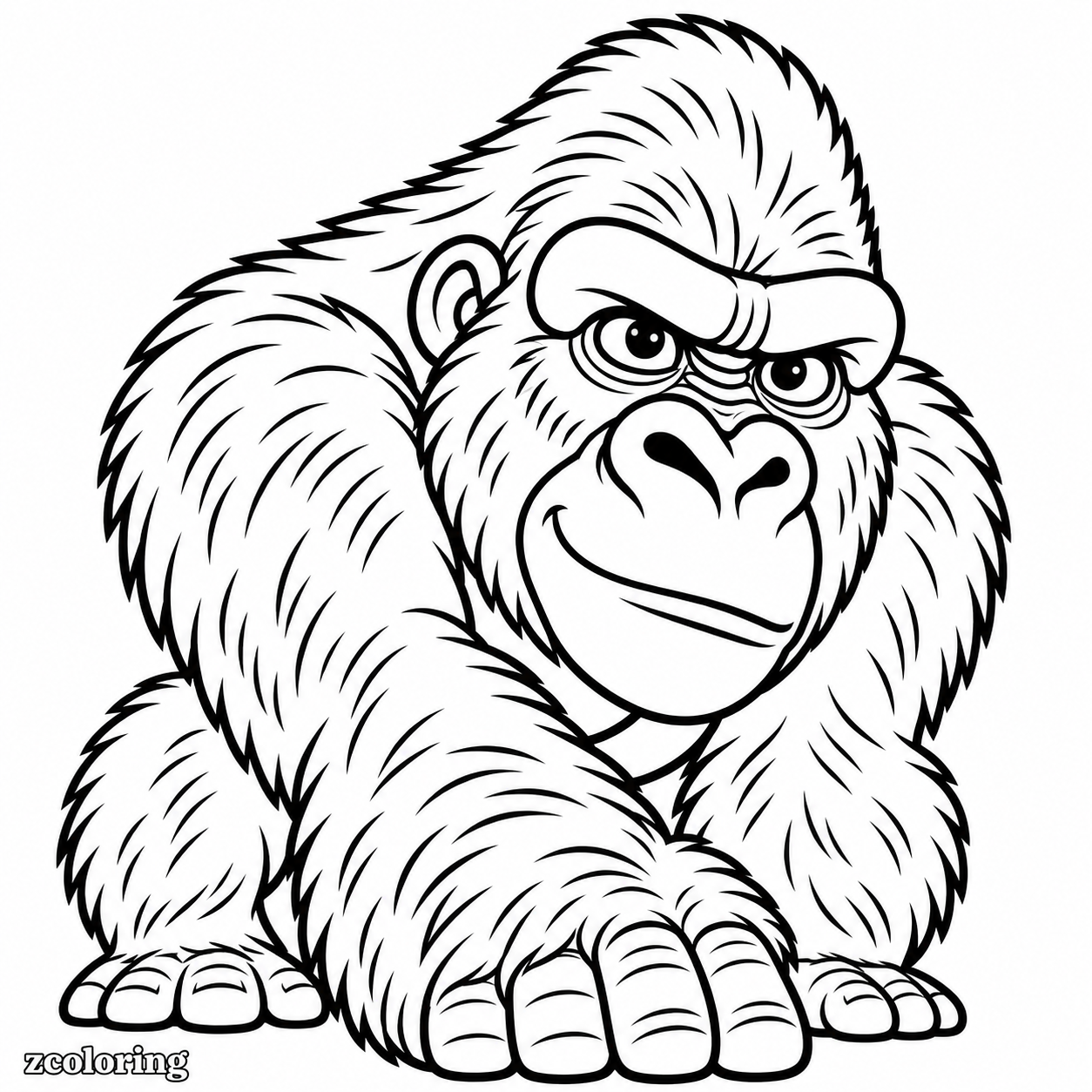
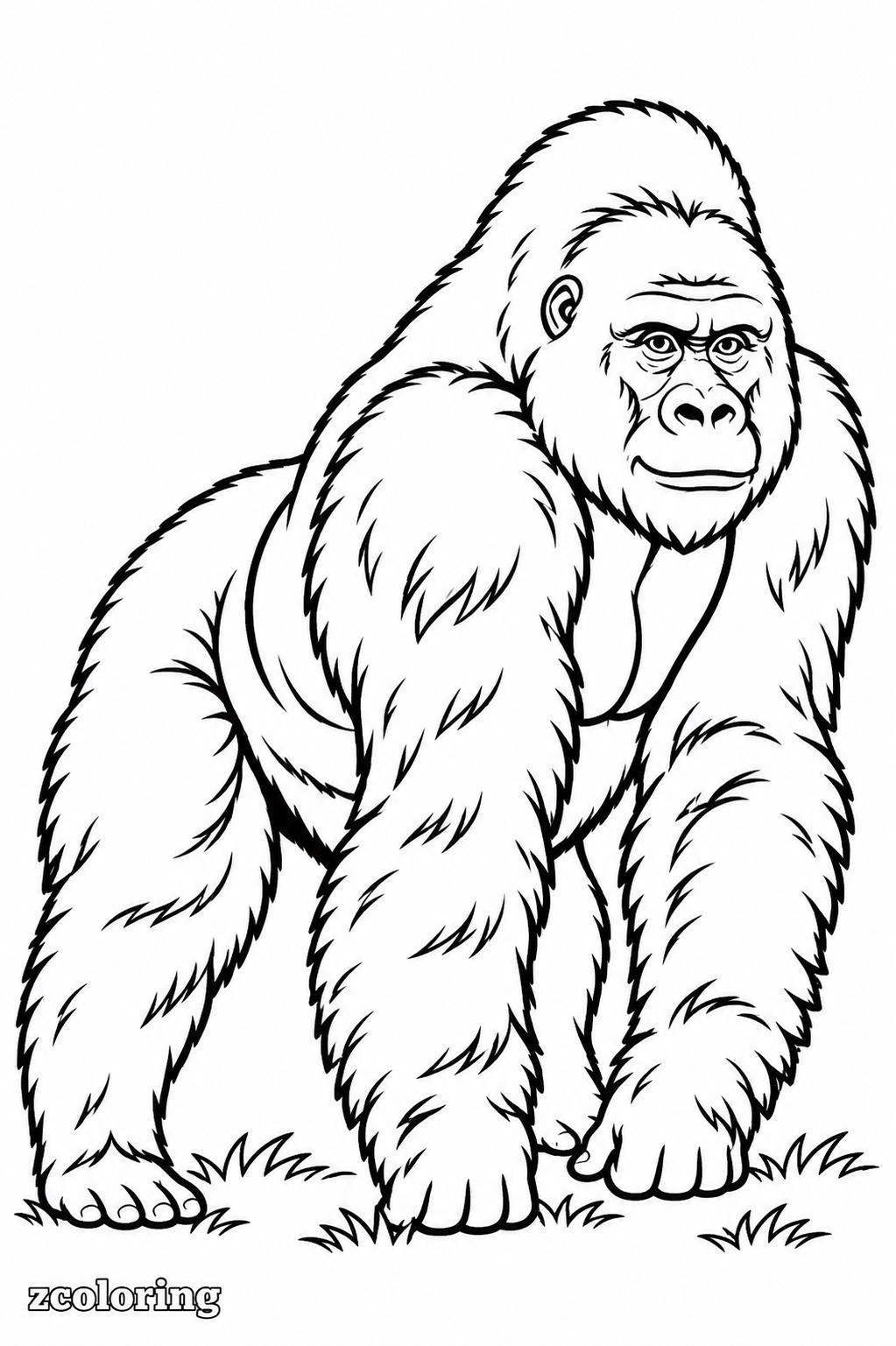
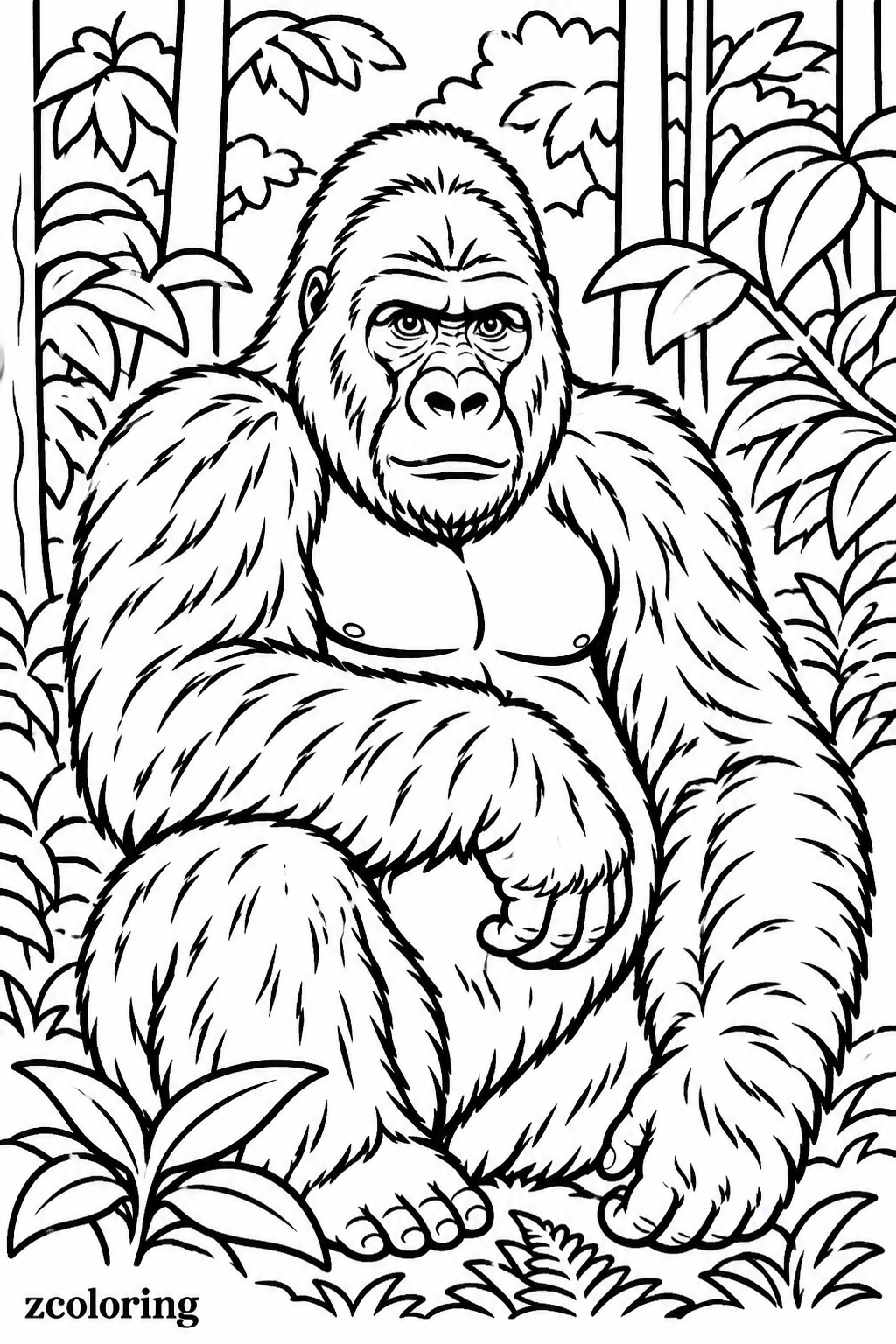
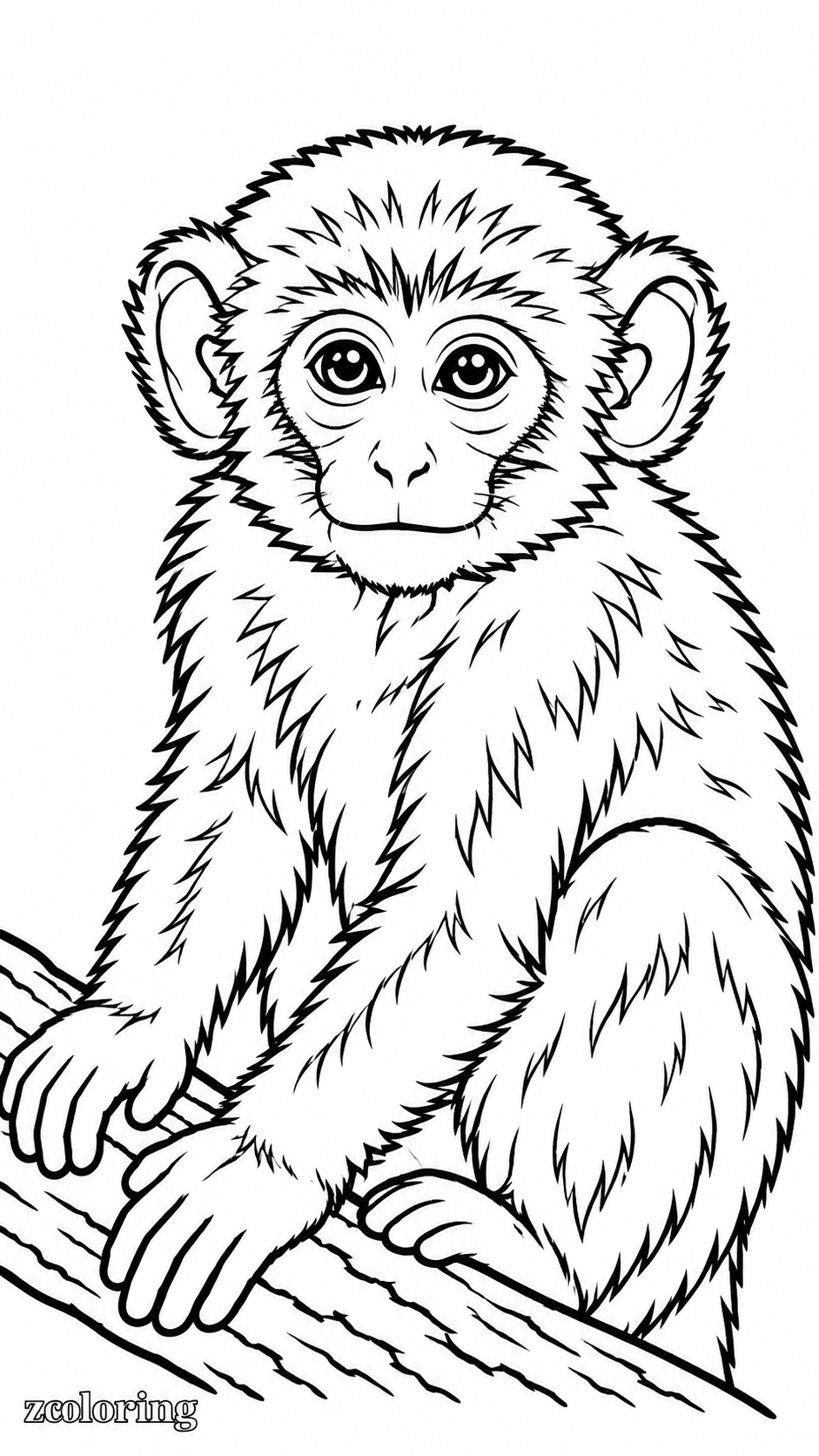
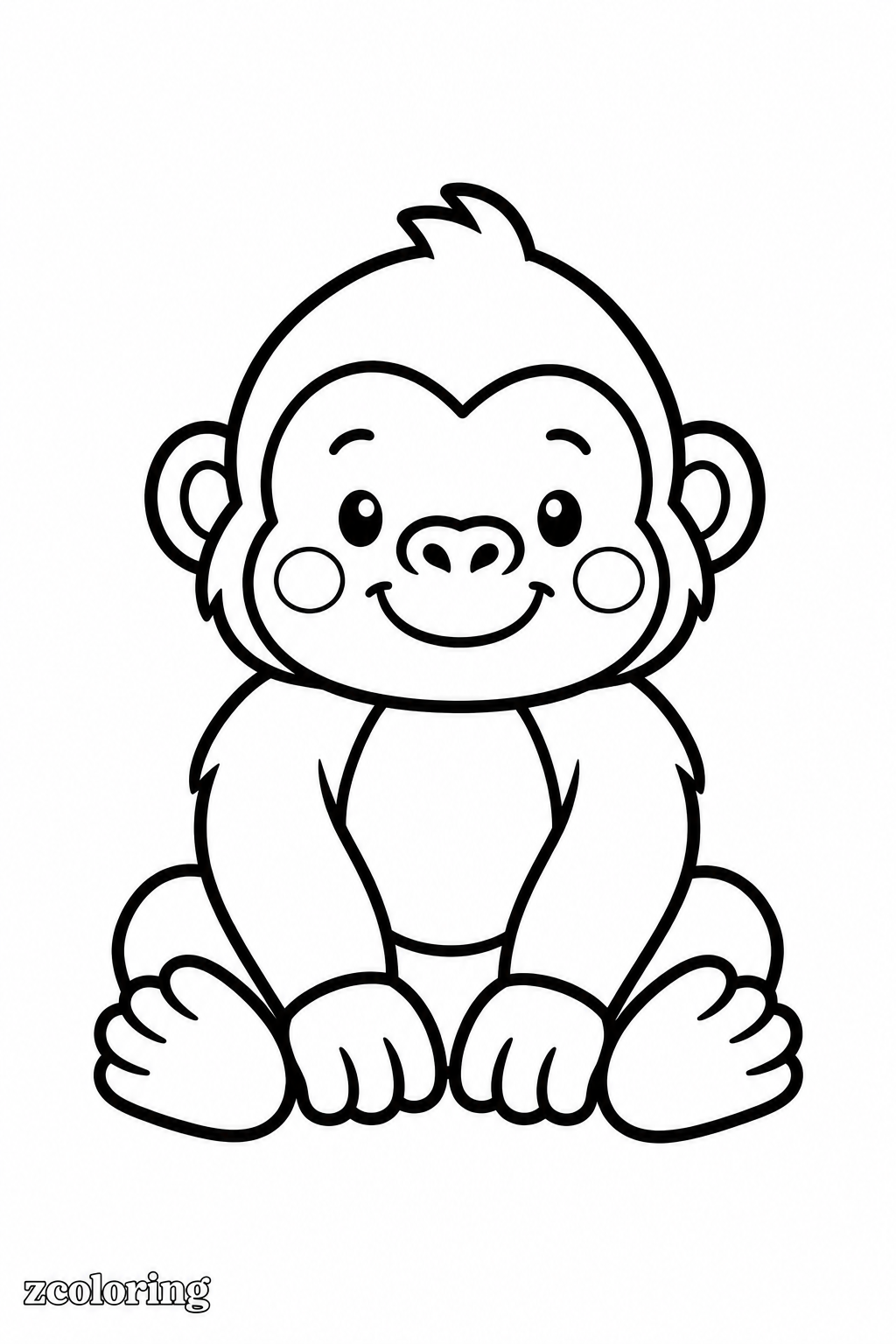
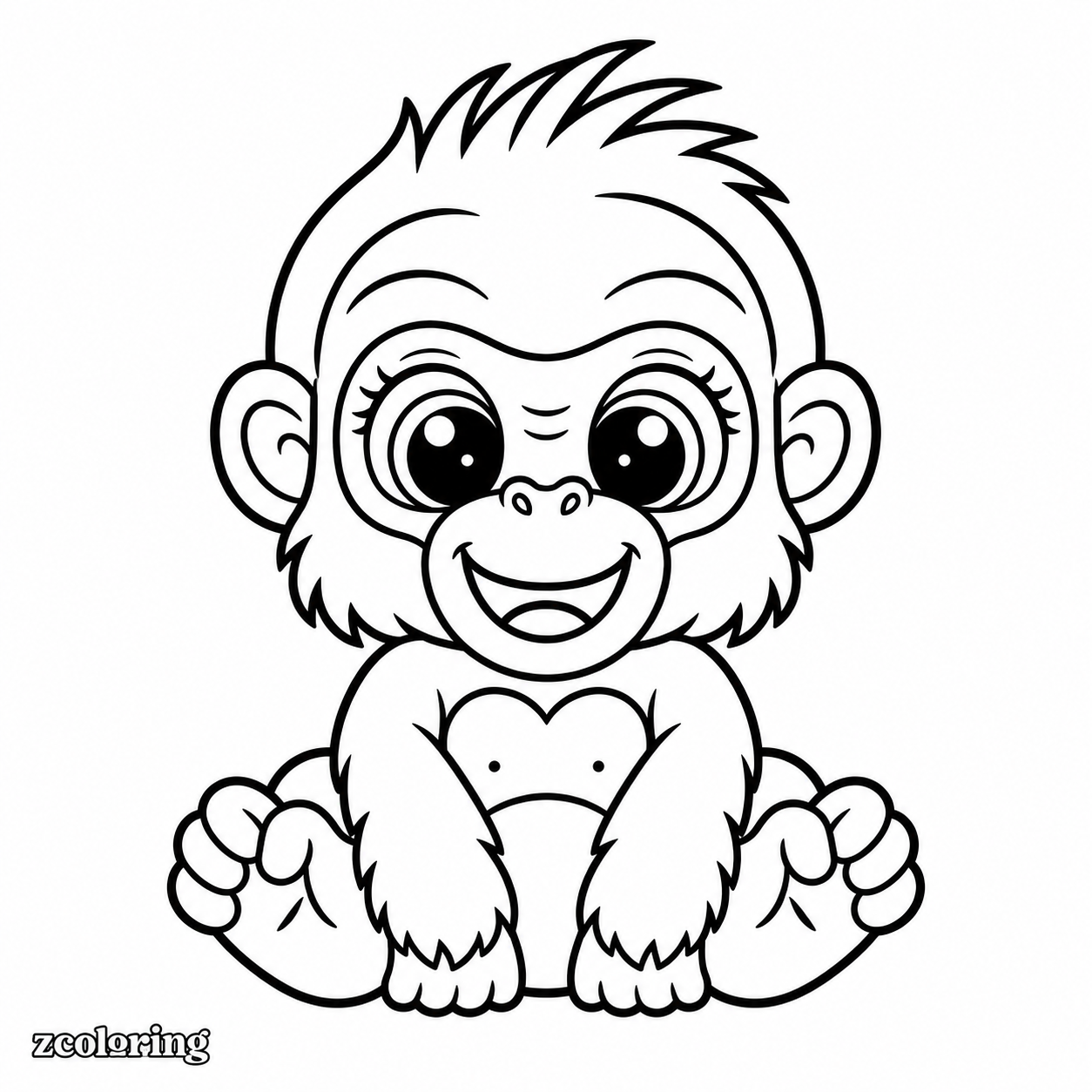
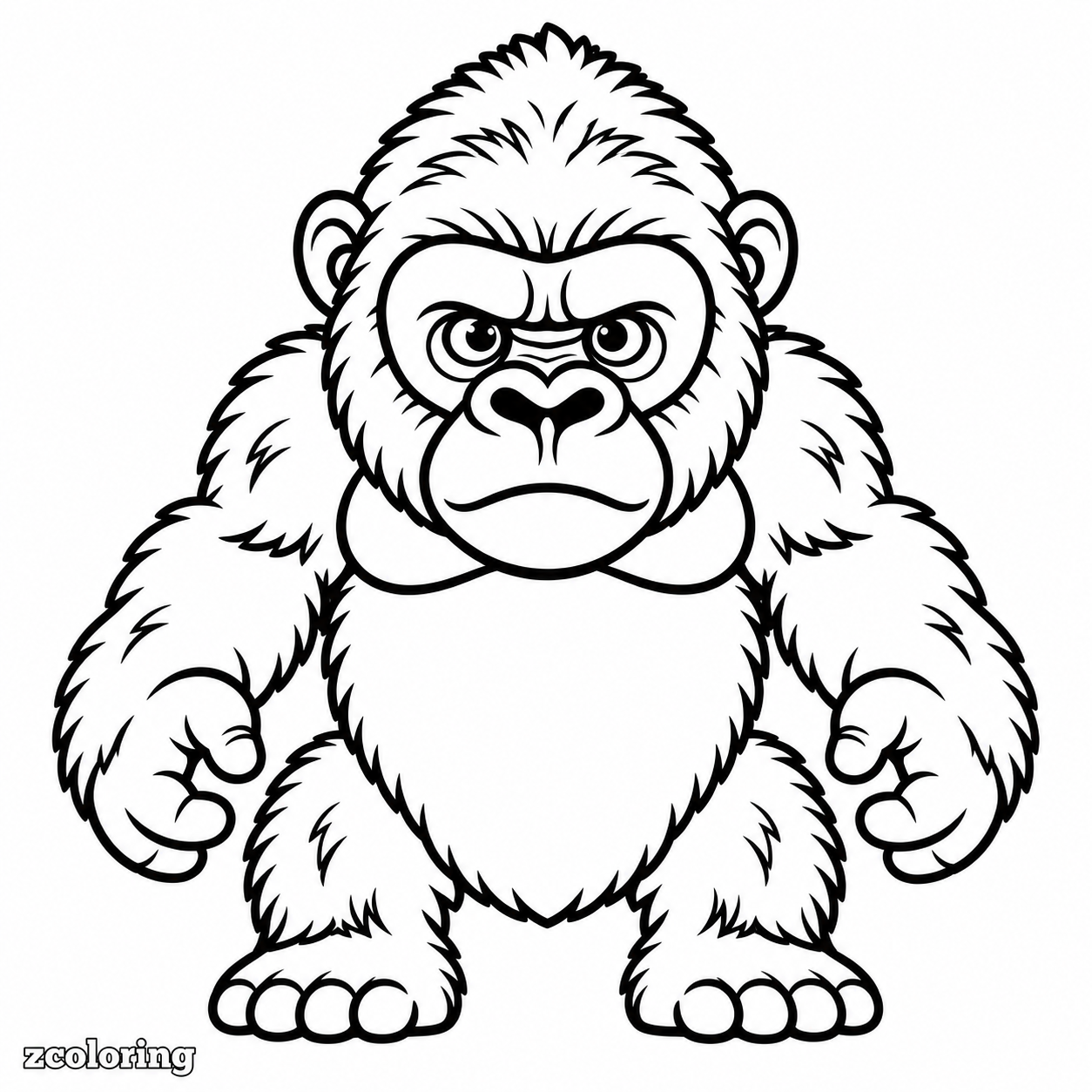
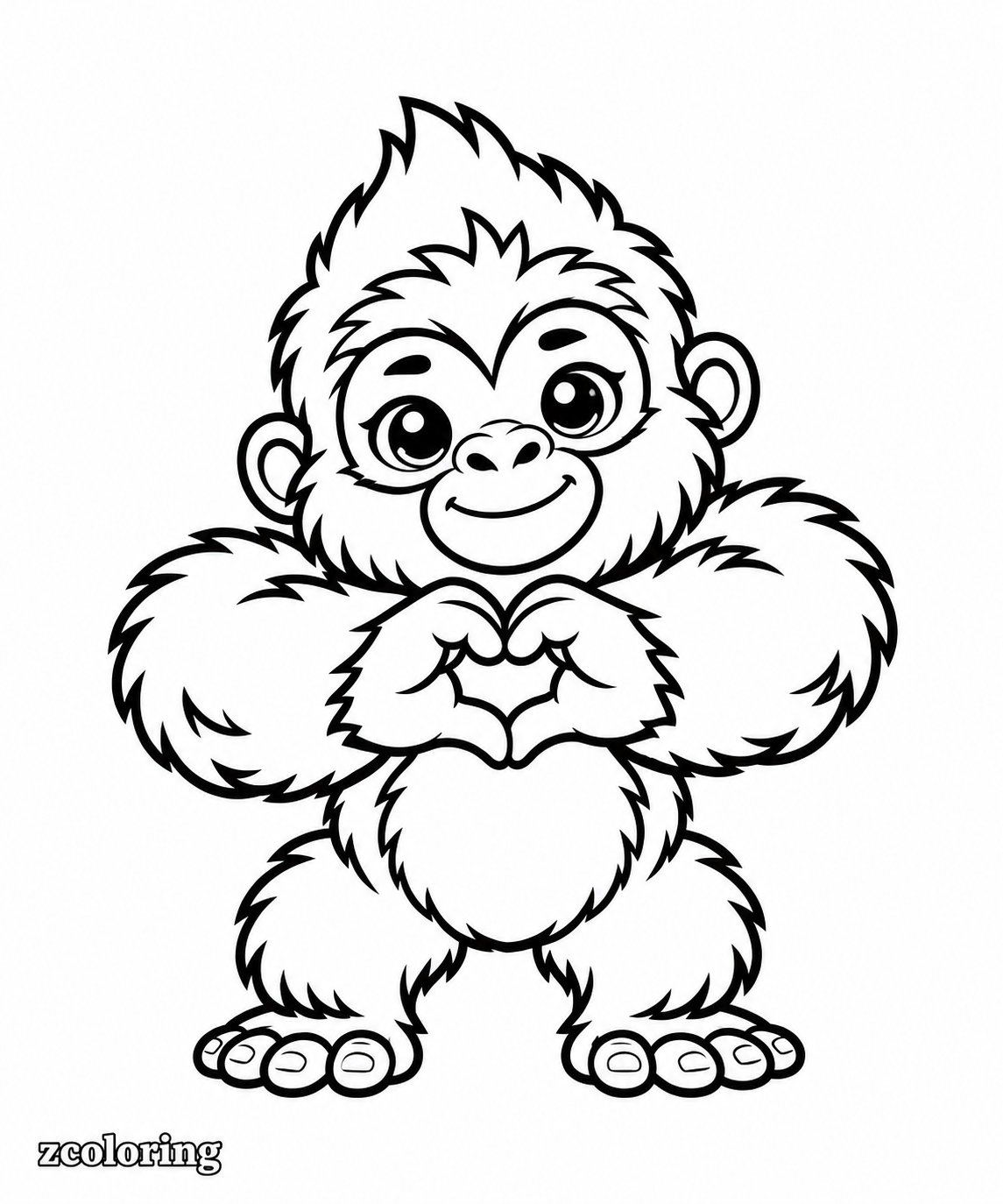
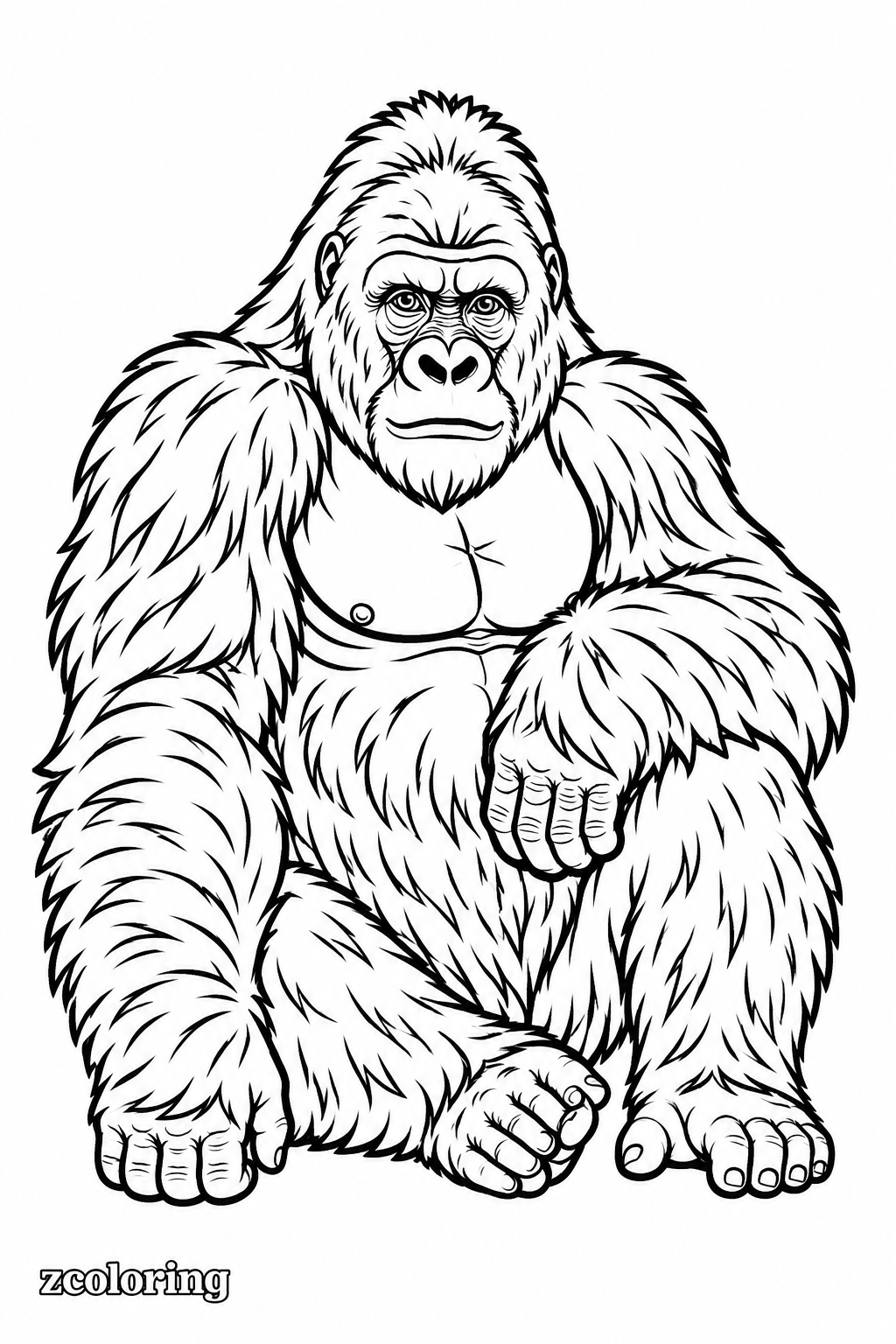
What is a gorilla?
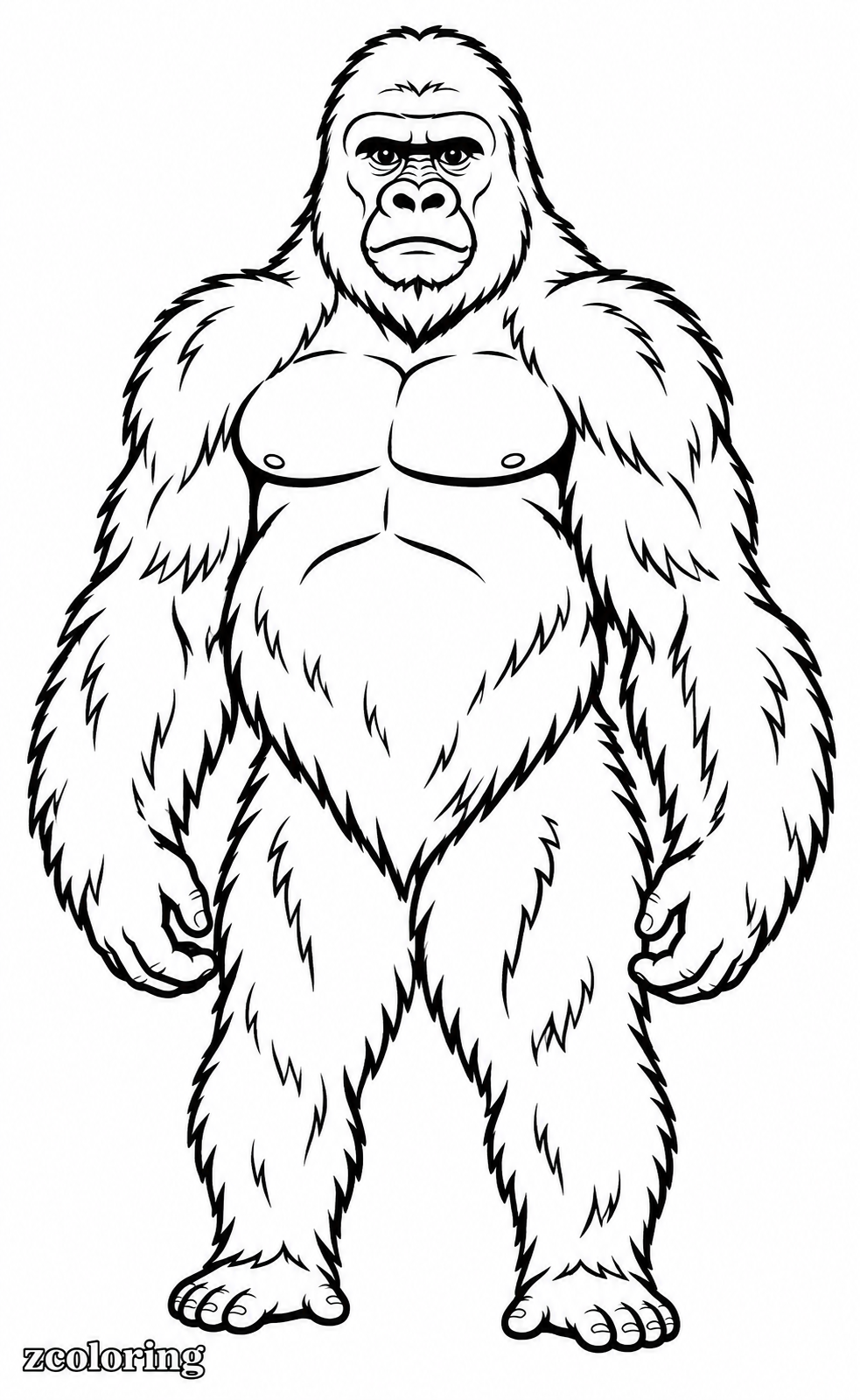
Gorillas are the largest living primates. An adult male stands about 1.7 metres tall on two legs, weighs up to 220 kg, and has an arm span of 2.6 metres. They live only in the forests of equatorial Africa, in two species split into four subspecies.
The one most people picture is the western lowland gorilla, the subspecies kept in zoos. Mountain gorillas live at 2,500–4,000 m in the Virunga volcanoes and Bwindi, and grow longer, darker fur for the cold. Cross River gorillas number fewer than 300 on the Nigeria–Cameroon border. Grauer's gorilla is the largest subspecies and survives in eastern DR Congo.
Gorillas are herbivores. An adult eats around 18 kg of leaves, stems and fruit a day and spends most of its waking hours feeding. Despite the size and the chest-beating displays, they are calm animals: a group is led by one adult male, the silverback, and fights between groups are mostly bluff.
Gorilla colouring: what goes where
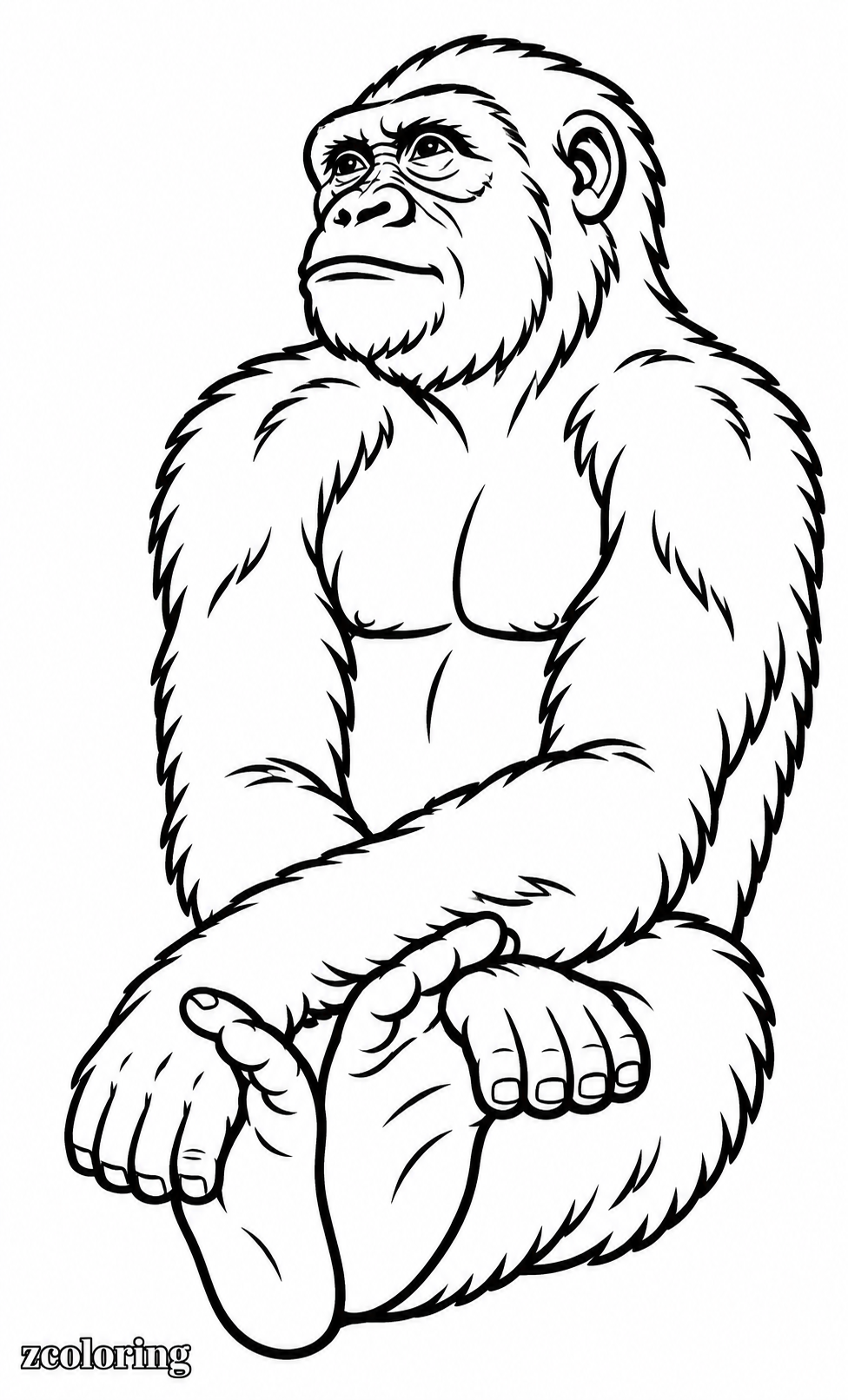
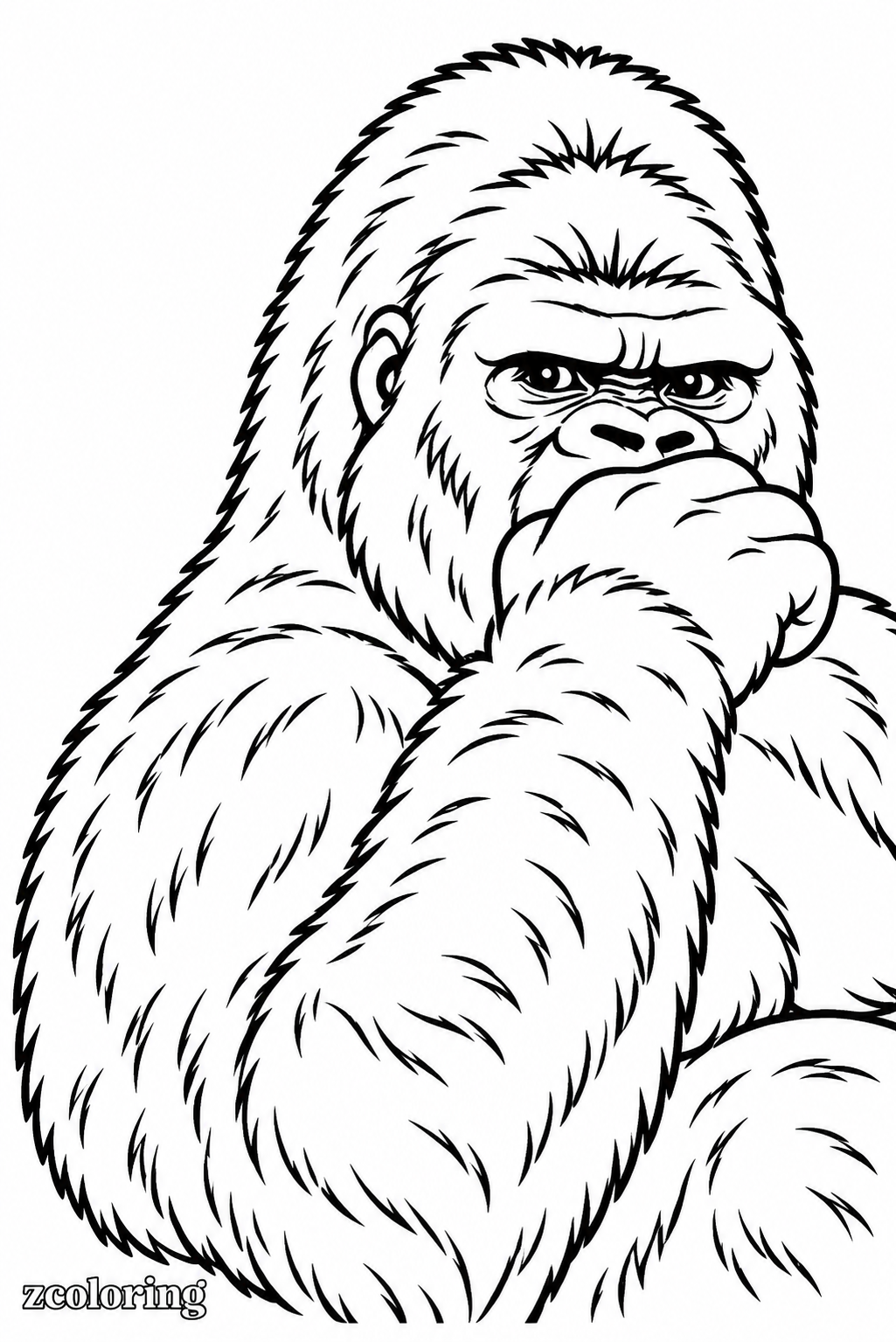
Gorilla pages are mostly black, which sounds boring and is exactly why they are good practice. A convincing gorilla comes from separating fur, skin and shadow — not from picking a colour.
- Fur: not flat black. Lay down a dark charcoal base, then work black into the shadows under the arms, along the spine and between the shoulder blades. Leave the top of the head and the outer edges lighter — that is where the light hits.
- The silver saddle: adult males grow a band of silver-grey fur across the back from about 12 years old. Do not colour it silver-white; a light warm grey with darker streaks reads better on paper.
- Face, palms and soles: bare black skin, slightly warmer and shinier than the fur. A touch of dark brown or grey-blue at the edges separates the face from the body.
- Eyes: dark brown, almost black. Leave a tiny dot of paper showing for the highlight, or the face looks dead.
- Teeth: ivory, not white. Pure white makes a gorilla look like a cartoon.
- Background: keep jungle greens muted and darker than the gorilla, or the animal disappears into the leaves.
What gorilla pages are good for
Gorillas work for both the youngest and the oldest colourist. A sitting gorilla with big flat areas suits ages 4–6. A knuckle-walking silverback with individual fur strokes takes an adult half an hour.
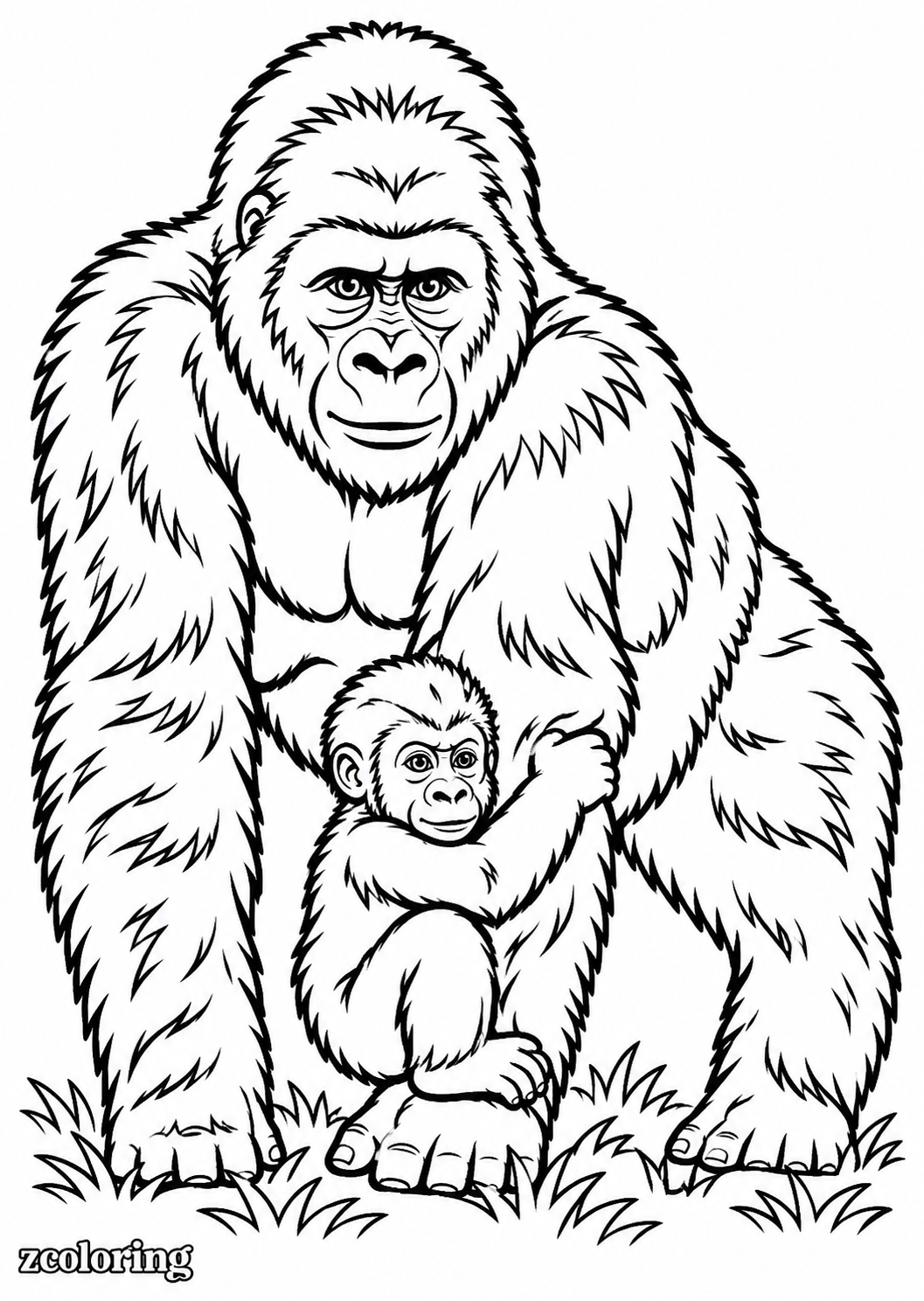
They also carry a lesson. Gorillas share about 98% of their DNA with humans, build a fresh sleeping nest from bent branches every night, and raise one baby roughly every four years — which is why losing a single adult matters so much to a troop. Every subspecies except the mountain gorilla is listed as Critically Endangered.
Gorilla coloring pages FAQ
Should I colour a gorilla pure black?
No. Pure black erases the line art and you end up with a silhouette. Build up in layers: dark grey base, black only in the deepest folds, lighter grey on the raised surfaces. If you are using markers, leave the paper white in the brightest spots rather than reaching for a white pencil — white pencil over black goes chalky.
What is a silverback?
A silverback is an adult male gorilla, usually over 12 years old, named for the band of silver-grey hair that grows across his back. He leads the group, decides where it feeds and sleeps, and is the only male that mates with the adult females. If a page shows a gorilla with a lighter back, that is what it is.
What is the difference between a mountain and a lowland gorilla?
Mountain gorillas live high in the Virunga volcanoes and Bwindi forest and have longer, thicker, darker fur. Lowland gorillas live in the warm Congo Basin and have shorter, slightly browner fur. On a colouring page the giveaway is fur length at the arms and shoulders.
Why do some gorillas on these pages stand on their knuckles?
Because that is how they walk. Gorillas are knuckle-walkers: they put the weight on the middle joints of their fingers rather than the palms, which protects the hand and lets them move on all fours across the forest floor. A page showing a gorilla leaning forward with curled hands is drawn in that pose, not standing upright.
Last updated